Chain-native stablecoins in 2026
In 2026, chain-native stablecoins have evolved from experimental infrastructure into core financial settlement rails. The focus has shifted from simple dollar-pegged transfers to native yield generation supported by regulatory clarity. This evolution positions stablecoins as the primary vehicle for on-chain finance, bridging traditional finance efficiency with blockchain speed.
Regulatory clarity remains the primary catalyst. As jurisdictions finalize stablecoin legislation, issuers operate under predictable compliance standards, allowing institutional capital to enter with confidence. Real-world yield is the second pillar; unlike previous speculative cycles, 2026 sees stablecoins integrated with real-world assets (RWAs) like treasury bills. This provides sustainable returns backed by tangible assets, eliminating reliance on inflationary token emissions.
Chain-native stablecoins 2026 choices that change the plan
Choosing a stablecoin in 2026 requires weighing regulatory compliance against technical performance. Dollar-native blockchains now embed assets into specific settlement layers, creating distinct tradeoffs between speed, yield, and legal safety.
The primary decision factor is your use case. Institutional treasuries prioritize regulatory clarity and reserve transparency, often accepting slower transaction finality for legal protection. Retail traders and DeFi users prioritize low fees and high throughput, frequently accepting higher smart contract risk for immediate accessibility.
| Feature | Institutional Grade | Retail/DeFi | Emerging L1 |
|---|---|---|---|
| Regulatory Status | High (US-compliant) | Medium (Mixed jurisdictions) | Low (Unproven frameworks) |
| Yield Source | Treasuries & Repo | DeFi Lending Pools | Native Protocol Incentives |
| Transaction Speed | Standard (1-3s) | Fast (<1s) | Ultra-fast (<100ms) |
| Reserve Transparency | Monthly Audits | Real-time On-chain | Limited/None |
The table above highlights the core tension: regulatory safety often correlates with slower, more expensive infrastructure, while high-performance chains sacrifice some compliance rigor for speed. Emerging L1s offer ultra-fast settlement but lack the proven reserve mechanisms of established players.
For most users, the tradeoff is binary. If you are holding significant capital for long-term storage, the regulatory clarity of US-compliant, institution-grade stablecoins is non-negotiable. If you are actively trading or participating in DeFi protocols, the lower fees and higher yields of retail or emerging chain-native options provide necessary efficiency, provided you understand the smart contract risks involved.
Choose the next step
Why is the Year of Chain-Native Stablecoins works best as a clear sequence: define the constraint, compare the realistic options, test the tradeoff, and choose the path with the fewest hidden costs. That order keeps the advice usable instead of decorative. After each step, pause long enough to check whether the recommendation still fits the reader's actual situation. If it depends on perfect timing, unusual access, or a best-case budget, include a simpler fallback.
Identify Weak Stablecoin Options
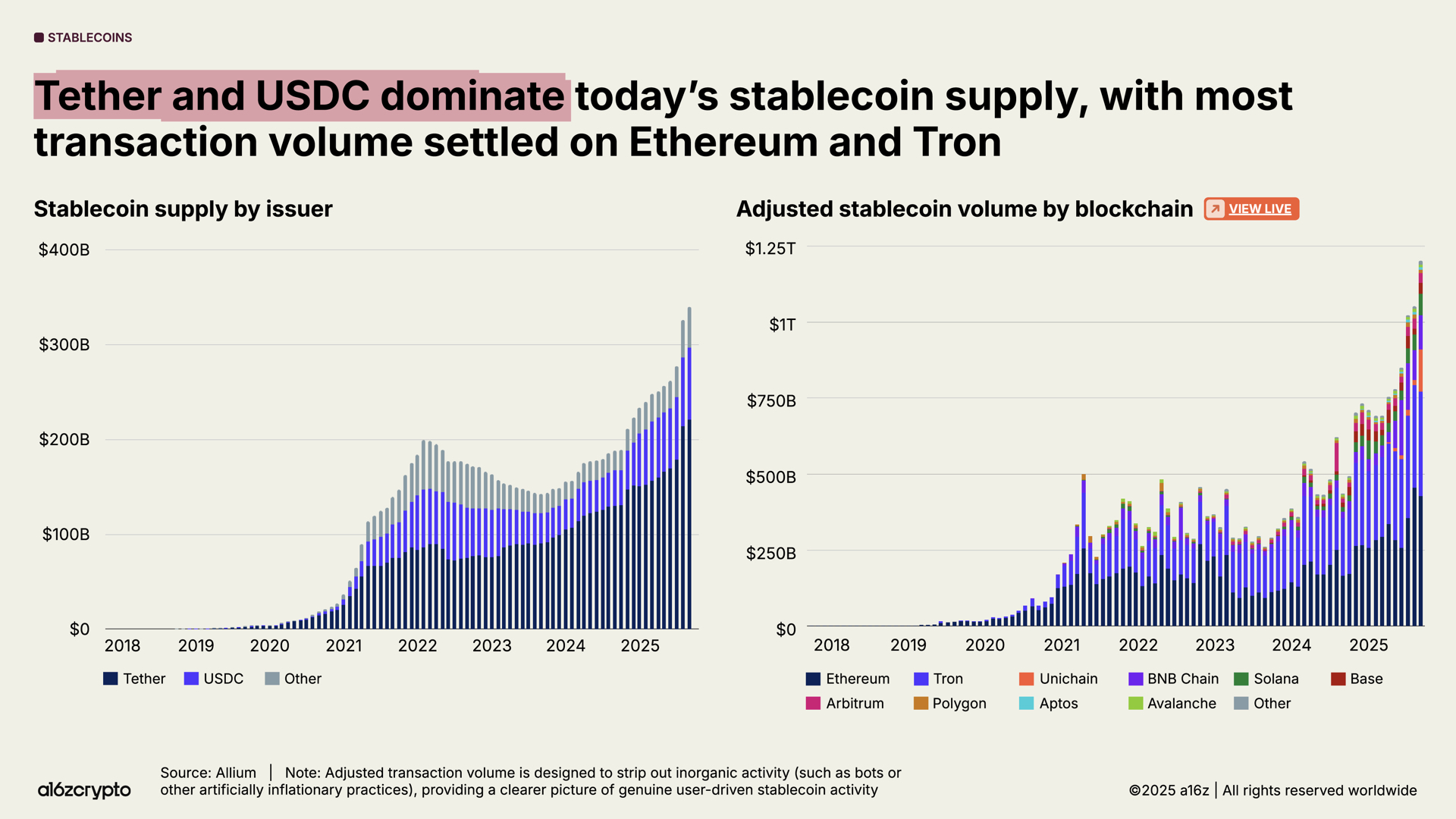
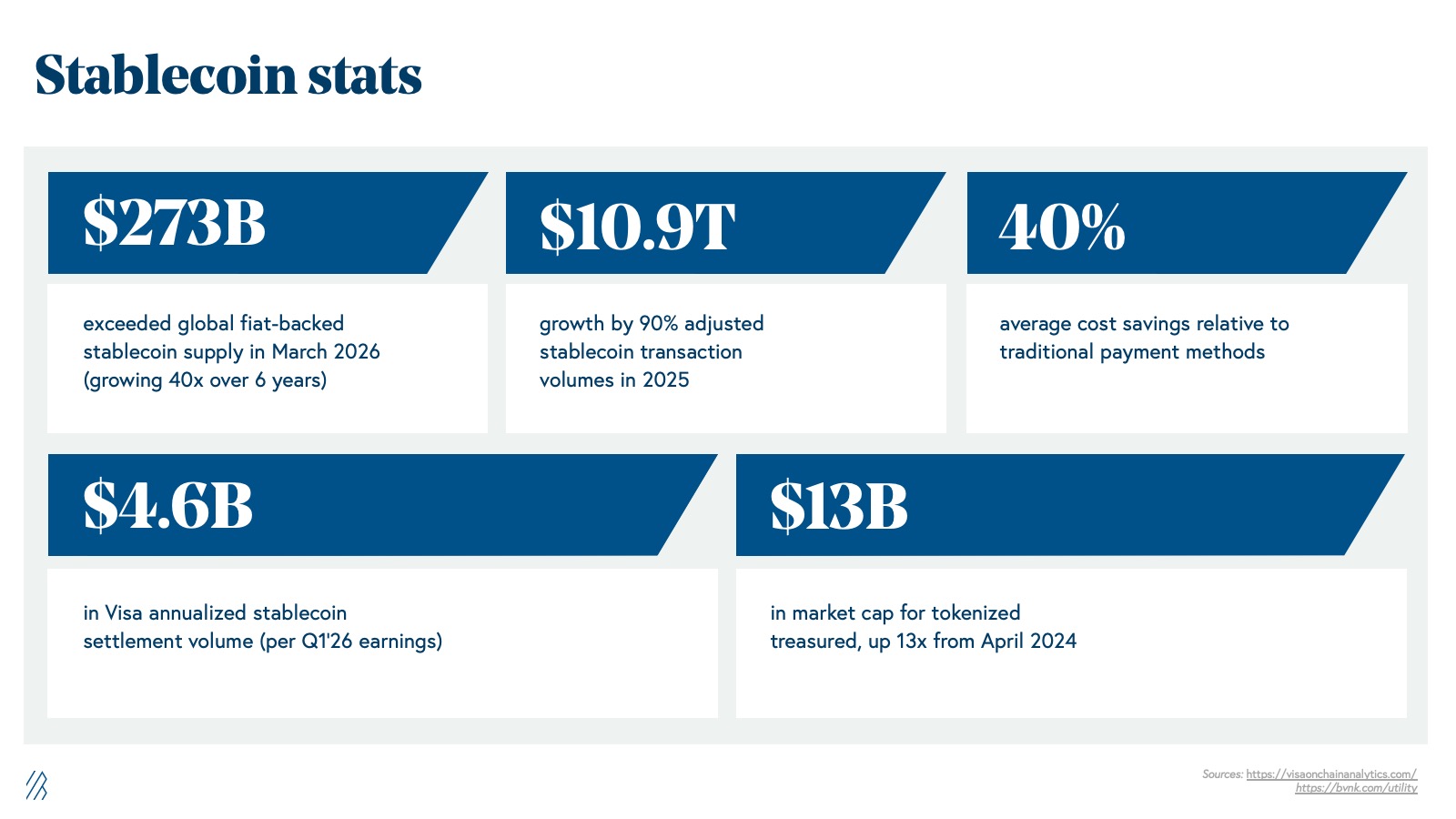
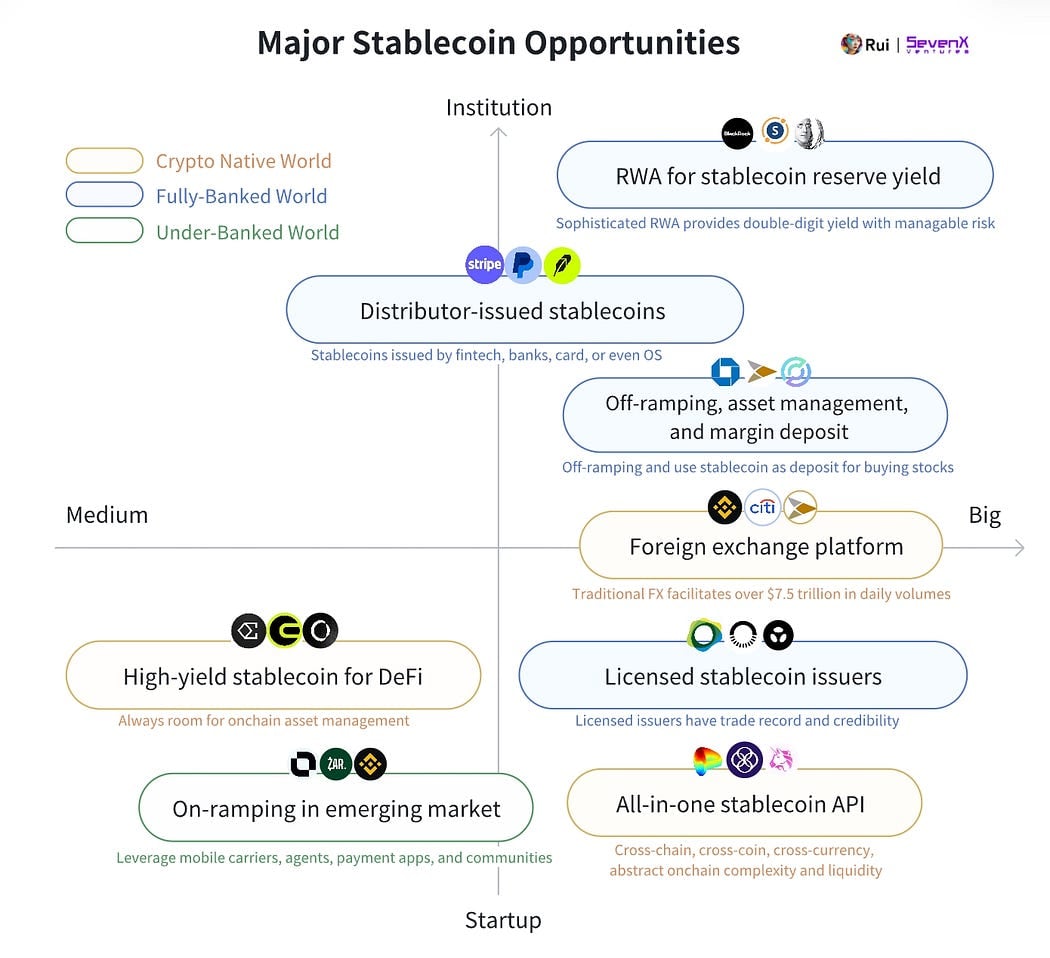
Not every dollar-native chain offers genuine yield or regulatory safety. In 2026, the market splits between infrastructure built for settlement and speculative tokens chasing high yields. You must distinguish between legitimate chain-native stablecoins and weak alternatives that lack transparency or legal backing.
The "Yield" Trap
Many new L1s promise native yield on stablecoin deposits. This often masks underlying risk. The yield usually comes from lending to volatile assets or opaque treasury strategies. If the yield exceeds the risk-free rate by more than 2-3%, the principal is likely at risk. Look for protocols that disclose their reserve assets and counterparty risks clearly.
Regulatory Clarity vs. Ambiguity
Regulatory clarity is the primary driver for institutional adoption in 2026. Chains that comply with US banking regulations and offer clear legal frameworks for issuers are stronger options. Avoid chains that operate in legal gray zones, even if they offer lower fees. The cost of non-compliance—frozen assets or legal action—far outweighs minor transaction fee savings.
Liquidity Depth
Weak options often suffer from shallow liquidity. This leads to high slippage when moving large sums. Check the total value locked (TVL) and daily trading volume on decentralized exchanges. A stablecoin with low liquidity is not truly stable during market stress. Prioritize chains with deep order books and established market makers.
Chain-native stablecoins 2026: what to check next
Stablecoins are shifting from niche crypto assets to core financial infrastructure in 2026. Regulatory clarity and on-chain yield are driving this transition, making it essential to understand the landscape before engaging.
Understanding these distinctions helps you plan around the evolving regulatory and technical landscape. Focus on assets with clear compliance and real-world utility for long-term stability.
No comments yet. Be the first to share your thoughts!