Chain-native stablecoins 2026: The liquidity shift
The stablecoin landscape in 2026 has moved beyond simple cross-chain transfers. We are now in the era of chain-native stablecoins, where the digital dollar is deeply embedded into the protocol layer of specific blockchains. This shift isn't just about availability; it's about how yield is generated and how liquidity settles. Instead of bridging assets across disparate networks, developers and users are deploying capital directly on chains designed from the ground up to handle dollar-denominated transactions efficiently.
This approach solves the friction that plagued earlier DeFi cycles. When a stablecoin is native to a chain, settlement times shrink, and gas costs for high-frequency trading or payments drop significantly. Platforms that previously required complex custom integrations to route assets now offer native support for multiple chains and stablecoin types. This native integration allows for deeper liquidity pools and more predictable yields, as the underlying infrastructure no longer fights against cross-chain latency or bridge risks.
For investors and developers, the choice of chain now dictates the type of yield available. General-purpose Layer 1s like Monad and Converge offer deep stablecoin orientation, while specialized chains like Plasma, Stable, Tempo, and Codex provide tailored environments for dollar-native operations. Understanding these distinctions is critical for maximizing returns in 2026, as the most promising stablecoin strategies are no longer about picking a token, but about picking the right chain infrastructure.
| Chain | Focus | Primary Benefit |
|---|---|---|
| Plasma | Specialized L1 | Dollar-native efficiency |
| Monad | General L1 | Deep stablecoin orientation |
| Stable | Specialized L1 | Optimized settlement |
| Tempo | Specialized L1 | High-throughput payments |
| Codex | Specialized L1 | Structured data liquidity |
Chain-native stablecoins 2026 choices that change the plan
Choosing a chain-native stablecoin means trading off capital efficiency for native settlement speed. In 2026, the landscape has shifted from general-purpose layer ones to specialized dollar-native chains like Plasma, Stable, and Tempo. These networks are built to handle stablecoin liquidity with minimal friction, but the tradeoffs are distinct. You must evaluate whether the yield benefits outweigh the liquidity fragmentation and regulatory exposure specific to each chain.
Capital Efficiency vs. Liquidity Depth
Chain-native stablecoins often offer higher native yields because they reduce the overhead of bridging assets across disparate ecosystems. However, this comes at the cost of deeper liquidity. On general-purpose chains like Ethereum or Solana, you can exit large positions instantly without significant slippage. On newer, specialized chains like Monad or Converge, depth is still developing. A large trade might move the price or fail to fill, making these chains better for smaller, frequent transactions rather than institutional-scale exits.
Regulatory Exposure and Custody
The regulatory landscape for chain-native stablecoins is evolving rapidly. Specialized chains often partner with specific issuers or custodians, creating a tighter regulatory link. If a chain is built around a single issuer or a specific compliance framework, you inherit that risk. General-purpose chains offer more decentralization, which can be a hedge against regulatory targeting but may lack the clear legal recourse of a regulated issuer. Evaluate the custody structure: is the stablecoin held in a smart contract or a traditional bank account? This distinction determines your exposure to banking de-risking.
Interoperability and Fragmentation
Native settlement is fast, but moving assets out of the chain can be slow. Chain-native stablecoins are optimized for within-chain use. If your strategy requires moving funds to a different ecosystem, you face bridge risks and time delays. This fragmentation means you cannot treat all stablecoins as interchangeable. A dollar on Plasma is not functionally identical to a dollar on Ethereum. You must plan your liquidity routing carefully, keeping capital on the chain where it will be used rather than trying to maintain a universal balance across multiple networks.
| Chain Type | Yield Potential | Liquidity Depth | Primary Risk |
|---|---|---|---|
| Ethereum | Low | High | Gas Fees |
| Solana | Medium | High | Network Outages |
| Plasma | High | Low | Issuer Dependency |
| Monad | High | Medium | Smart Contract Bugs |
Decision Framework
Use chain-native stablecoins when speed and yield are paramount, and your position size is small enough to avoid slippage. Stick to general-purpose chains if you need deep liquidity, regulatory clarity, or are moving large sums. The best strategy often involves a hybrid approach: holding stablecoins on specialized chains for yield generation while keeping a reserve on Ethereum or Solana for liquidity and safety.
How to choose the right chain-native stablecoin setup
Choosing the right stablecoin infrastructure in 2026 requires matching your specific liquidity needs to the right chain-native architecture. The market has shifted from generic bridging solutions to dollar-native Layer 1s and specialized settlement platforms that reduce counterparty risk and improve capital efficiency.
Follow this decision framework to select the optimal setup for your DeFi strategy.
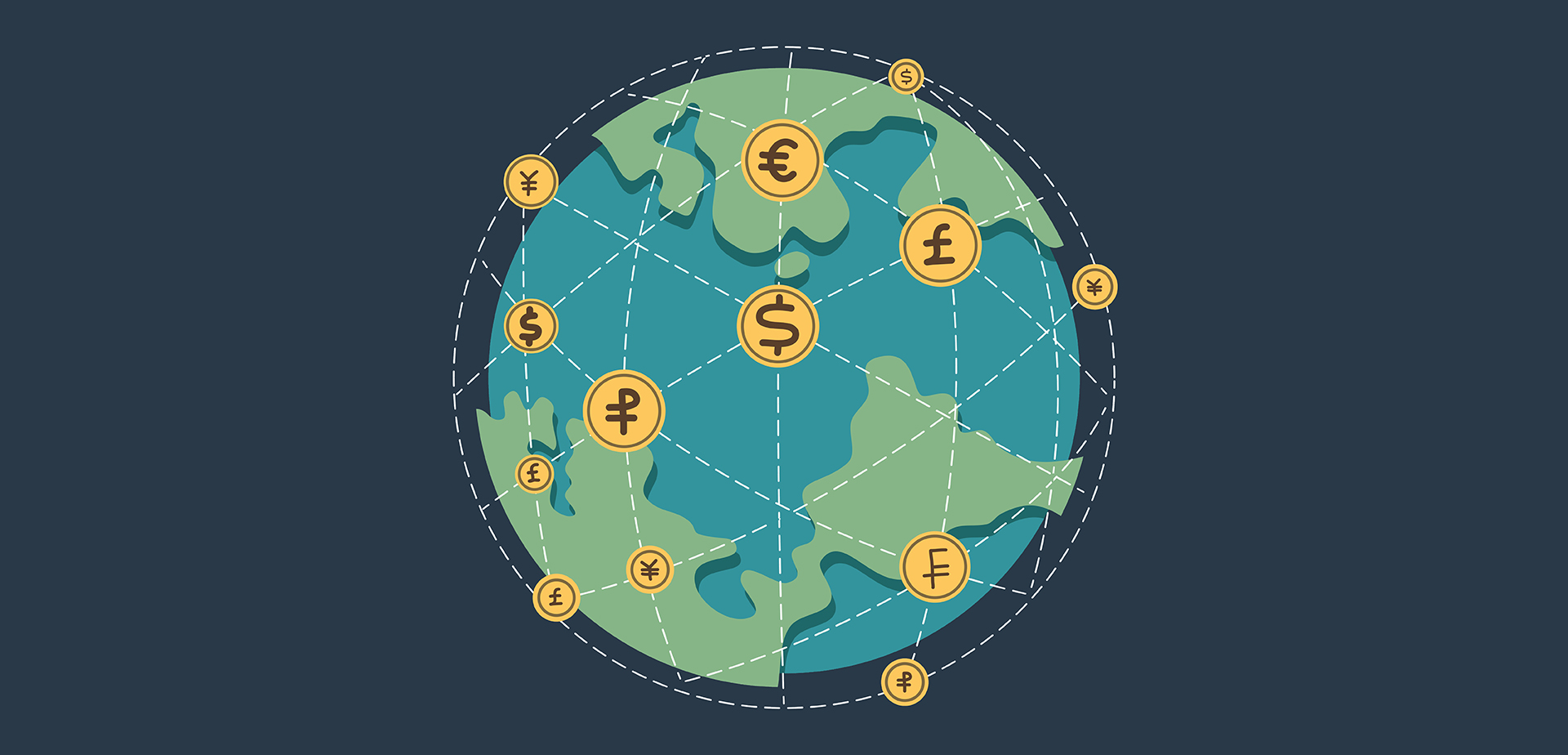
Identify the specific blockchain pairs your protocol must support. Evaluate whether the target settlement platform routes these corridors natively or requires custom integration. Native routing significantly reduces latency and integration overhead compared to cross-chain bridges.
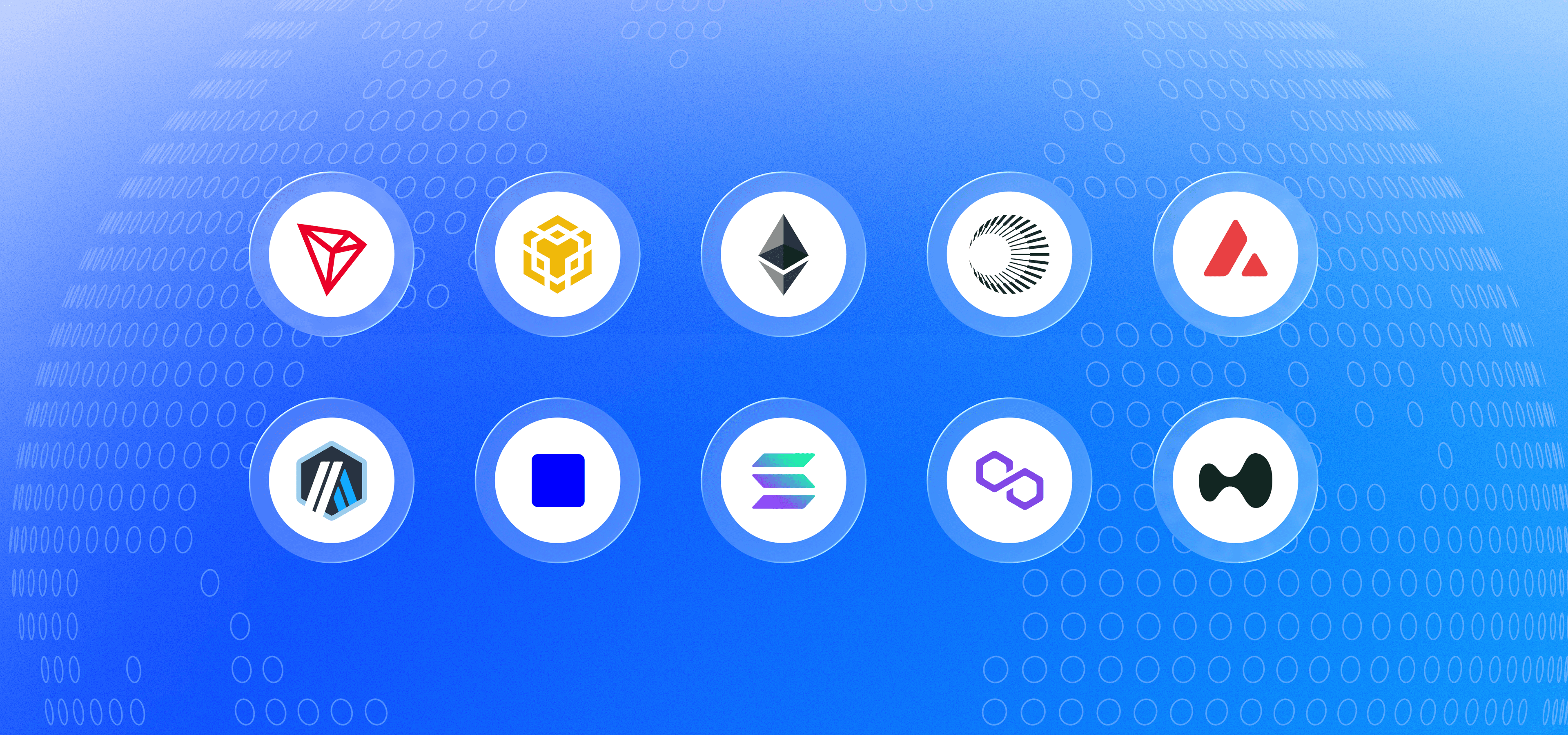
Determine if your yield strategy benefits from dollar-native Layer 1s. Platforms like Plasma, Stable, Tempo, and Codex are designed specifically for stablecoin efficiency. General-purpose L1s like Monad and Converge offer deep stablecoin orientation but may require additional optimization for pure settlement tasks.
Use a comparison table to weigh the top 7 stablecoin settlement platforms in 2026. Key metrics include the number of supported chains, the variety of stablecoins routed, and the transparency of reserve backing. Prioritize platforms with official audit trails and regulatory compliance records.
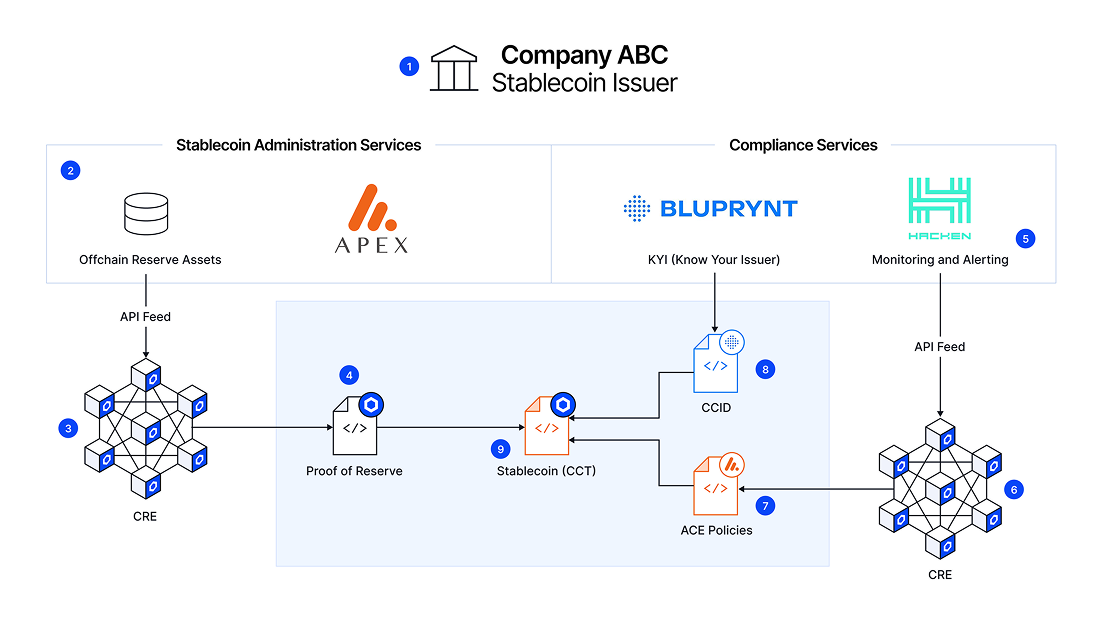
Analyze the liquidity pools available on your chosen chain. Chain-native stablecoins often offer higher yields due to reduced bridge risks and lower gas fees. Verify that the liquidity is deep enough to support your transaction volume without significant slippage.
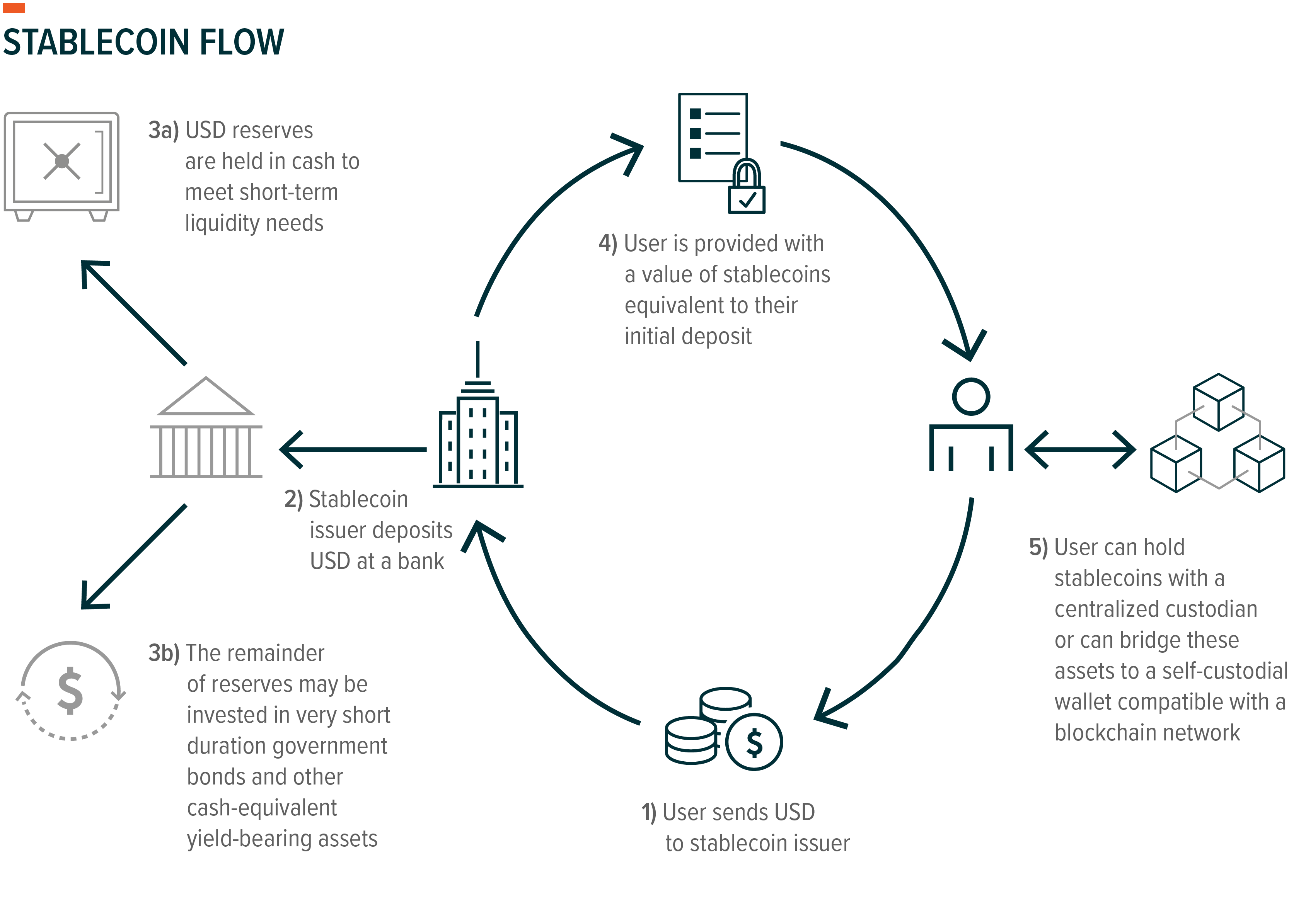
Deploy your strategy on the selected chain-native infrastructure. Monitor performance metrics closely, including transaction costs, settlement times, and yield consistency. Be prepared to shift capital if a new, more efficient platform emerges.
| Platform | Type | Native Chains | Focus |
|---|---|---|---|
| Plasma | L1 | Plasma | Stablecoin efficiency |
| Stable | L1 | Stable | Stablecoin efficiency |
| Monad | L1 | Monad | General purpose |
| Crossmint | Settlement | Multi | Routing |
Avoiding Weak Stablecoin Options
Not every chain-native stablecoin delivers genuine yield. Many projects launch with promises of high returns but lack the underlying liquidity or regulatory backing to sustain them. In 2026, the market has shifted away from speculative "yield farming" tokens toward dollar-native blockchains that prioritize settlement efficiency and transparency.
The Trap of Generic L1s
Some general-purpose Layer 1 chains, like Monad and Converge, are often marketed as stablecoin hubs. While they have deep stablecoin orientation, they are not designed exclusively for dollar settlement. This distinction matters. If your goal is pure yield from stablecoin liquidity, these chains may offer more complexity than benefit compared to specialized platforms.
Settlement Platforms vs. Native Chains
The real value lies in settlement platforms. These platforms route across multiple chains and corridors natively, reducing the need for custom integrations. They provide a single point of entry for stablecoin liquidity, which is crucial for maintaining consistent yields. Without this native routing, liquidity is fragmented, and yields become unpredictable.
Key choices that change the plan
When evaluating stablecoin options, focus on three factors:
- Native Support: Does the platform route stablecoins natively, or does it require manual bridges?
- Corridor Depth: How many trading pairs and corridors are supported? More corridors mean better liquidity.
- Regulatory Compliance: Is the stablecoin issuer regulated? Unregulated issuers pose a higher risk of depegging.
By focusing on these criteria, you can avoid weak options and select stablecoin solutions that offer sustainable yield and lower risk.
Chain-native stablecoins 2026: what to check next
Stablecoins are shifting from parallel payment rails to core financial infrastructure. This section addresses common questions about market direction, asset classification, and the specific role of chain-native tokens in DeFi liquidity.
The US Dollar Index (USDX) often serves as a proxy for stablecoin demand. When the dollar weakens, capital often flows into crypto assets, including stablecoins, as a bridge to higher-yield opportunities. Understanding this macro relationship helps clarify why stablecoin volume spikes during specific market conditions.
No comments yet. Be the first to share your thoughts!