
Noble Stablecoin Rails for Multichain Native Settlement Efficiency

In the sprawling ecosystem of chain-native stablecoins, few projects embody the shift toward specialized infrastructure like Noble. Once a Cosmos appchain laser-focused on stablecoin issuance via IBC, Noble is now forging ahead with a bold transition to an independent EVM L1 network, mainnet launch set for March 18,2026. This move positions Noble as the ultimate stablecoin rails for multichain settlement, blending sub-second finality with EVM composability to supercharge multichain native stables.

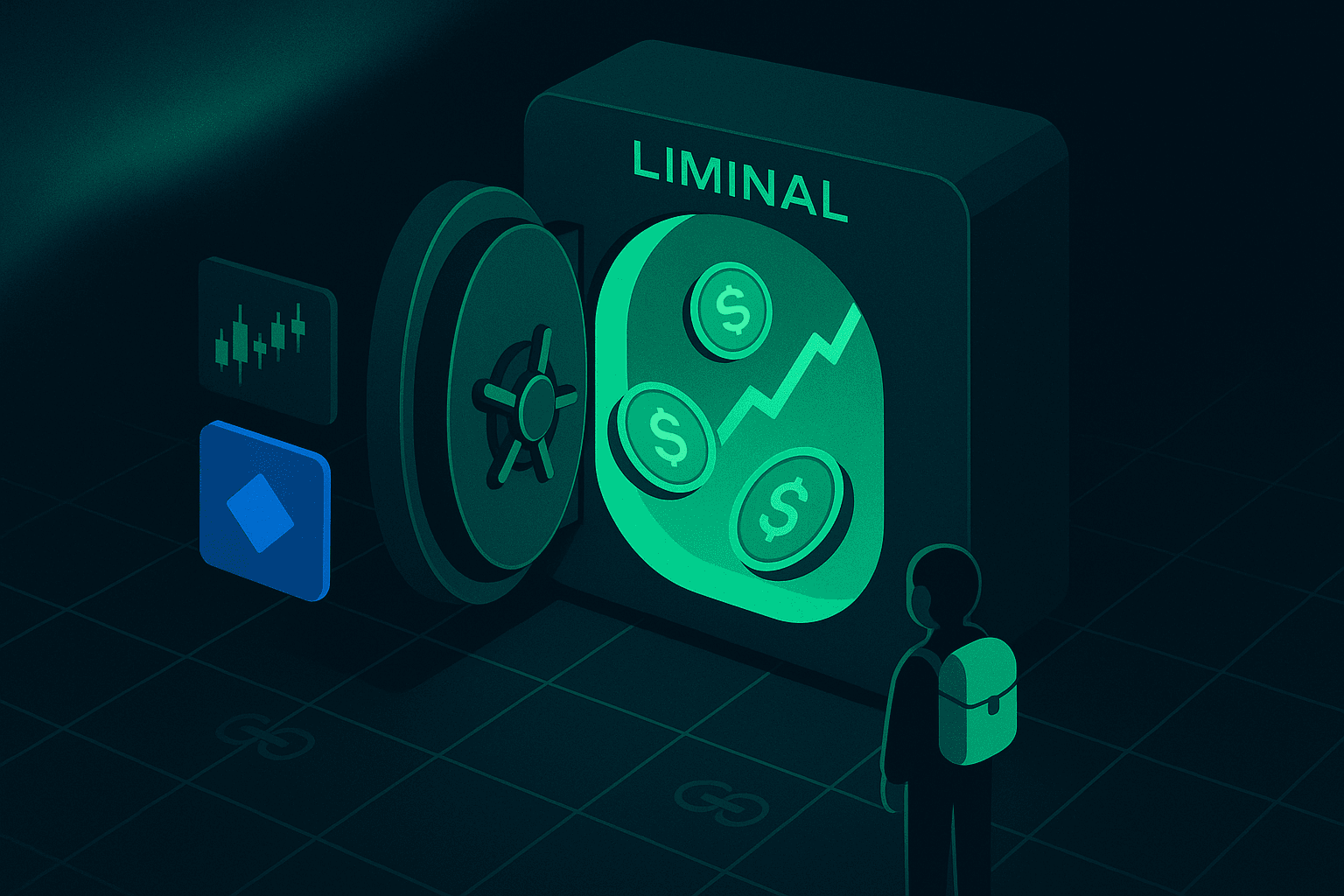
What sets Noble apart is its refusal to treat stablecoins as mere tokens. Instead, it builds them as programmable rails – efficient conduits for settlement, payments, and yield generation. With USDN, its flagship over-collateralized stablecoin backed by short-term U. S. Treasury bills, Noble delivers real-world utility: yields hovering at 4.1% to 4.3% annually, directly accruing to holders. This isn’t hype; it’s a strategic pivot addressing the fragmentation plaguing DeFi today.
Noble’s Strategic Leap to EVM L1 Supremacy
Noble started as a neutral liquidity hub in the Cosmos ecosystem, natively issuing assets like USDC for seamless IBC transfers. But as stablecoin demand exploded, limitations surfaced: interoperability friction, scalability bottlenecks. Enter the sunset of its Cosmos SDK roots and the dawn of a purpose-built EVM chain. Why EVM? Because it taps into the world’s largest developer pool, enabling smart contracts that treat stables as first-class citizens.
This transition isn’t cosmetic. Sub-second transaction finality means settlements that rival traditional finance, minus the intermediaries. Developers gain unfettered access to build agentic payments stables – autonomous systems handling FX, remittances, and yield farms without cross-chain bridges eating into efficiency. Noble’s AppLayer vision, once an EVM rollup on Celestia, evolves into a sovereign L1, permissionless and scalable for the stablecoin economy’s next phase.
Critics might question ditching Cosmos, but the math checks out. EVM’s maturity accelerates adoption; IBC’s niche appeal gives way to Ethereum-aligned liquidity. Noble isn’t abandoning interoperability – it’s enhancing it through native bridges and shared security models, making stablecoin settlement rails truly multichain.
USDN: Yield as the New Stablecoin Primitive
At Noble’s core pulses USDN, a yield-bearing stablecoin that’s more than pegged dollars. Over-collateralized with T-bills, it auto-compounds returns at 4.1% to 4.3%, turning holding into a passive strategy. Imagine deploying USDN in DeFi protocols where yield accrues natively, no wrappers or complex vaults required. This composability unlocks Noble stablecoin rails for everything from loyalty programs to enterprise payments.
In a market flooded with zero-yield fiat proxies, USDN flips the script. Holders capture real returns without impermanent loss risks or opaque custodians. Developers integrate it effortlessly: forex swaps yielding on idle balances, payment dApps settling instantly with baked-in interest. Noble’s infrastructure scales this via Dynamic’s multi-wallet tech, ensuring reliability across chains. It’s opinionated design at its best – stables shouldn’t just store value; they should generate it.
Multichain Settlement: Efficiency Redefined
Multichain native stables thrive on low-friction rails, and Noble delivers. Post-EVM launch, expect native USDN issuance flowing to Optimism, Arbitrum, Base – wherever liquidity pools. No more bridge risks or liquidity silos; instead, atomic settlements via EVM standards. This efficiency slashes fees, boosts capital velocity, and positions Noble as the settlement layer for RWA tokenization and global payments.
Strategic minds see the pattern: stablecoin chains like Plasma echo Noble’s thesis, but Noble leads with proven issuance (USDC on Cosmos) and yield innovation. For traders and investors, it’s a bet on infrastructure capturing stablecoin TVL growth. Agentic systems – AI-driven payments, automated treasury management – will route through these rails, demanding the speed and stability Noble promises.
Traders eyeing agentic payments stables get a front-row seat to this evolution. Noble’s rails enable protocols where AI agents settle micro-transactions across chains, capturing yield on every hop. Picture remittances flowing from Base to Arbitrum with sub-second confirmation, T-bill backed stability, and auto-accruing interest – that’s the multichain dream materialized.
USDN Peg Stability vs Leading Stablecoins and Volatile Assets
6-Month Price Performance Comparison Highlighting Stability for Noble’s Multichain Settlement
| Asset | Current Price | 6 Months Ago | Price Change |
|---|---|---|---|
| USDN | $0.9997 | $0.9997 | -0.0% |
| USDC | $0.0205 | $0.0205 | +0.2% |
| USDT | $1.00 | $1.00 | +0.0% |
| DAI | $0.001296 | $0.001300 | -0.0% |
| USDe | $1.00 | $1.00 | +0.2% |
| FRAX | $0.9904 | $0.9900 | +0.0% |
| BTC | $76,377.00 | $65,000.00 | +17.5% |
| ETH | $2,273.01 | $2,000.00 | +13.7% |
Analysis Summary
Noble USD (USDN) has maintained precise peg stability with a -0.0% change over six months, aligning with other stablecoins showing minimal fluctuations (0.0% to +0.2%). This contrasts sharply with Bitcoin (+17.5%) and Ethereum (+13.7%) gains, underscoring stablecoins’ reliability for settlement efficiency. USDN further differentiates via 4.1-4.3% T-bill backed yield.
Key Insights
- Stablecoins including USDN, USDT, USDe, and FRAX exhibit near-zero price changes, confirming robust peg maintenance.
- USDN’s exact -0.0% change highlights superior stability versus USDC’s +0.2%.
- BTC and ETH’s +17.5% and +13.7% gains illustrate volatility risks absent in stablecoins.
- USDN’s yield accrual (4.1-4.3% APY from U.S. Treasury bills) provides competitive returns akin to traditional T-bills alongside peg stability.
Utilizing provided real-time CoinMarketCap data as of 2026-02-04T05:12:05Z for USDN (6 months ago: 2025-08-08) and equivalent periods for others. Prices and changes formatted exactly as sourced; table focuses on peg stability and contrast with volatile assets.
Data Sources:
- Main Asset: https://coinmarketcap.com/currencies/noble-dollar/
- USD Coin: https://coinmarketcap.com/currencies/usd-coin/
- Tether: https://coinmarketcap.com/currencies/tether/
- DAI: https://coinmarketcap.com/currencies/dai/
- Ethena USDe: https://coinmarketcap.com/currencies/ethena-usde/
- Frax: https://coinmarketcap.com/currencies/frax/
- Bitcoin: https://coinmarketcap.com/currencies/bitcoin/
- Ethereum: https://coinmarketcap.com/currencies/ethereum/
Disclaimer: Cryptocurrency prices are highly volatile and subject to market fluctuations. The data presented is for informational purposes only and should not be considered as investment advice. Always do your own research before making investment decisions.
Building the Stablecoin Application Layer
Noble’s EVM L1 isn’t just a settlement hub; it’s a launchpad for stablecoin-native dApps. Developers inherit Ethereum’s toolchain – Solidity, Hardhat, Foundry – to craft everything from tokenized loyalty schemes to RWA vaults. USDN slots in as the base primitive, its yield composable via hooks that distribute returns to stakers or liquidity providers. This lowers the barrier for L2 teams on Optimism or Arbitrum seeking native stables without forking liquidity.
Take enterprise adoption: firms disrupted by legacy rails turn to Noble for programmable dollars. Loyalty programs, as one thesis suggests, embed crypto under fiat skins, redeeming points via USDN swaps with built-in yields. Payments infrastructure scales globally, sidestepping Visa’s fees through atomic IBC-EVM bridges. Noble’s Dynamic wallet integration ensures multi-chain ops hum without hiccups, a boon for high-volume issuers.
The pivot from Cosmos underscores a broader trend. Dedicated stablecoin chains – Plasma’s EVM native push, others trailing – validate Noble’s foresight. But where competitors chase parity, Noble layers yield and speed, turning rails into revenue engines. For DeFi builders, it’s a no-brainer: deploy once, settle everywhere, earn passively.
Risks in the Rails: A Balanced View
No infrastructure is bulletproof. Noble’s EVM shift invites sequencer risks, though sub-second finality mitigates via Celestia data availability roots. Over-collateralization shields USDN from depegs, but T-bill exposure ties it to macro whims – yields at 4.1% to 4.3% reflect current rates, compressible in rate-cut cycles. Interoperability remains the wildcard; while EVM bridges proliferate, IBC’s Cosmos legacy demands vigilant liquidity bootstraps.
Yet these are calculated bets. Noble’s track record – native USDC issuance, RWA facilitation – proves execution. Investors should watch TVL inflows post-mainnet; surpassing $500 million signals dominance in stablecoin settlement rails. Traders position via early USDN liquidity pools, arbitrage opportunities in yield differentials across L2s.
Strategic positioning favors patient capital. Noble targets the $150 billion stablecoin market’s efficiency gap, where 80% of volume chokes on bridges and fees. By prioritizing developer velocity and holder returns, it carves a moat in multichain DeFi.
| Chain | Native Stable | Yield Mechanism | Finality | Target Use Case |
|---|---|---|---|---|
| Noble EVM L1 | USDN (T-bills) | 4.1-4.3% auto-accrue | Sub-second | Multichain settlement |
| Plasma | TBD (USDT focus) | None native | EVM standard | RWA issuance |
| Cosmos (legacy) | USDC/IBC | External | ~6s | Interchain transfers |
For blockchain traders, Noble offers asymmetric upside: low entry via pre-mainnet positions, explosive growth as AppLayer dApps proliferate. Investors scout its venture roots, backing protocols that plug into these rails for loyalty disruptions or FX automation. The thesis crystallizes around one truth – in a fragmented DeFi landscape, the best stables aren’t tokens; they’re the infrastructure that moves value frictionlessly, yielding along the way.
Noble’s March 18,2026 mainnet isn’t an endpoint; it’s the ignition for Noble stablecoin rails reshaping global finance, one efficient settlement at a time.