
StableChain USDT-Native L1 Mainnet: 150 Partners Building Chain-Native Stablecoin Rails for DeFi Traders

StableChain’s mainnet activation on December 8,2025, marks a pivotal shift in chain-native stablecoin infrastructure, positioning USDT as the exclusive gas token on a purpose-built Layer 1 blockchain. Developed by Tether and Bitfinex under the iFinex umbrella, this USDT native L1 eliminates the volatility traders dread in transaction costs, delivering sub-second finality and fees that stay predictably low regardless of network congestion. For DeFi enthusiasts chasing seamless liquidity across payments and settlements, StableChain emerges as a strategic rail, already drawing over 150 partners to construct specialized applications.


Pre-launch hype translated into action fast: more than $1.1 billion in assets locked across 10,000 wallets signaled institutional hunger for this setup. By March 1,2026, the network tallied over 860,000 transactions and 4,600 smart contracts, proving resilience despite early hiccups like redemption delays and gas squeezes. This isn’t just another L1; it’s a calculated bet on USDT rails for real-world settlement, tailored for traders who prioritize stability in volatile markets.
USDT as Gas: Redefining Predictable Costs in DeFi
Traditional blockchains force users to speculate on gas in native tokens, turning every trade into a pricing gamble. StableChain flips that script by mandating USDT for all fees, anchoring costs to a dollar-pegged asset. Imagine executing a high-frequency FX swap or neobank payout without sweating ETH’s next pump; that’s the edge here. Low, stable fees pair with rapid finality, making it ideal for chain native stablecoins StableChain enthusiasts deploying on Optimism or Arbitrum might envy.
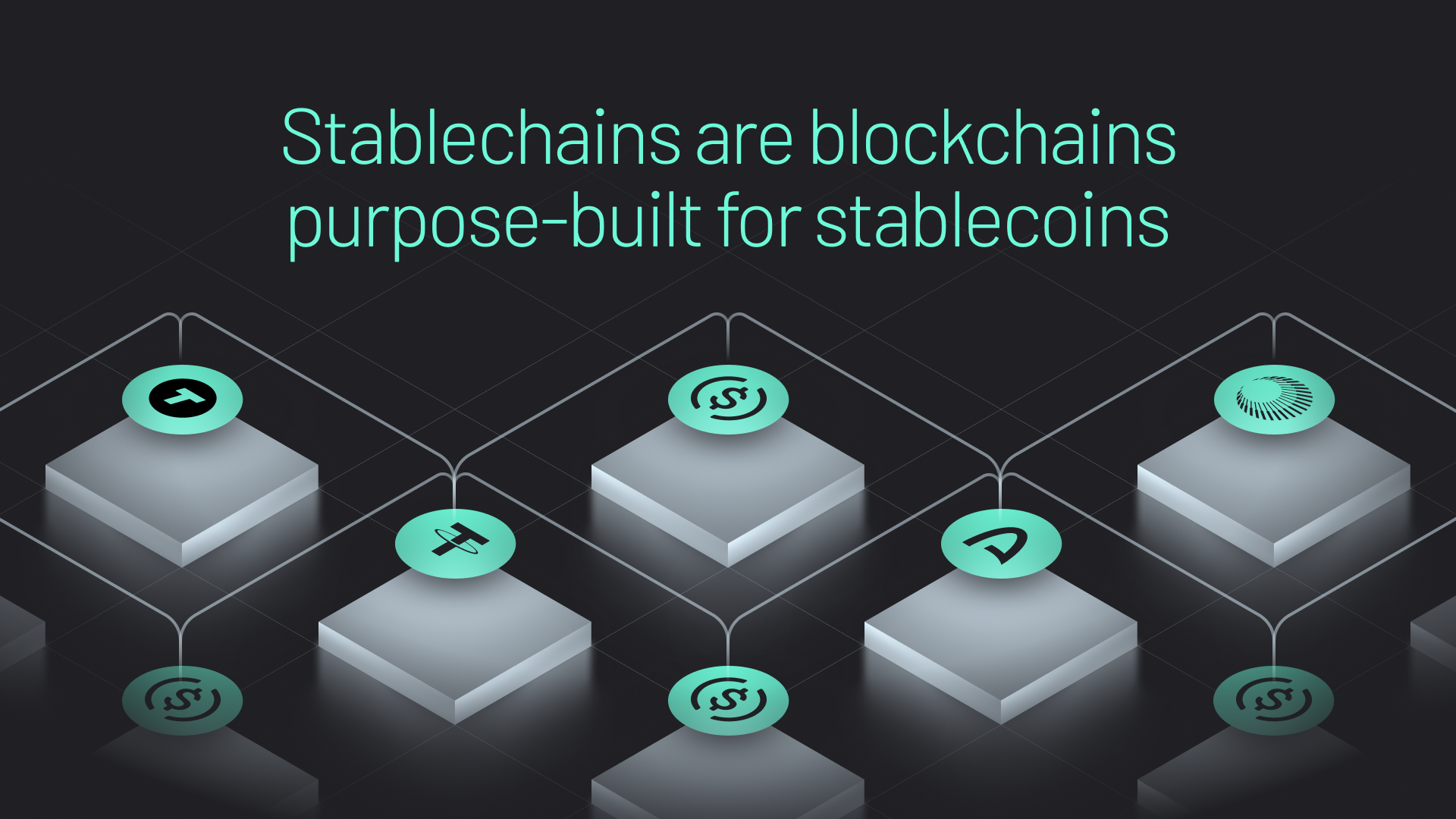
StableChain is a USD₮ Native Layer 1 built for global commerce and payments. Low fees, predictable payments, and a frictionless user experience. (Source: Stable. xyz)
This design shines in high-volume scenarios, where DeFi traders need rails that don’t buckle under load. Backed by a $28 million seed round from Bitfinex, Hack VC, and PayPal Ventures, the project incubates infrastructure primed for scale. Check out how this innovation transforms stablecoin dynamics here.

150 Partners: A Ecosystem Powerhouse for Stablecoin Rails
StableChain’s momentum stems from its partner roster, exceeding 150 strong across payments, FX desks, custody providers, neobanks, DeFi protocols, and core infrastructure. Heavyweights like PayPal, Anchorage Digital, and Standard Chartered’s Libeara anchor the push, alongside DeFi staples such as Curve Finance, USDT0, Allium, Transak, and WalletConnect. These collaborations build StableChain partners DeFi tools that bridge on-chain efficiency with off-chain utility, creating USDT rail real-world settlement pathways traders can trust.
Top 10 StableChain Partners
-

PayPal: Integrates payments for frictionless USDT-native transactions and global commerce.
-

Curve Finance: Provides deep DeFi liquidity pools optimized for stablecoin trading on StableChain.
-

Anchorage Digital: Offers institutional-grade custody solutions for USDT assets on the network.
-
Libeara: Ensures regulatory compliance and stablecoin issuance standards (Standard Chartered).
-
Transak: Enables fiat on-ramps for easy USDT deposits into StableChain wallets.
-
WalletConnect: Supports seamless wallet connectivity for dApp interactions on StableChain.
-

Allium: Delivers blockchain data infrastructure and analytics for ecosystem builders.
-

Bitfinex: Powers exchange integrations and settlements using USDT gas on mainnet.
-
Tether: Supplies native USDT as gas token and core stablecoin infrastructure.
-
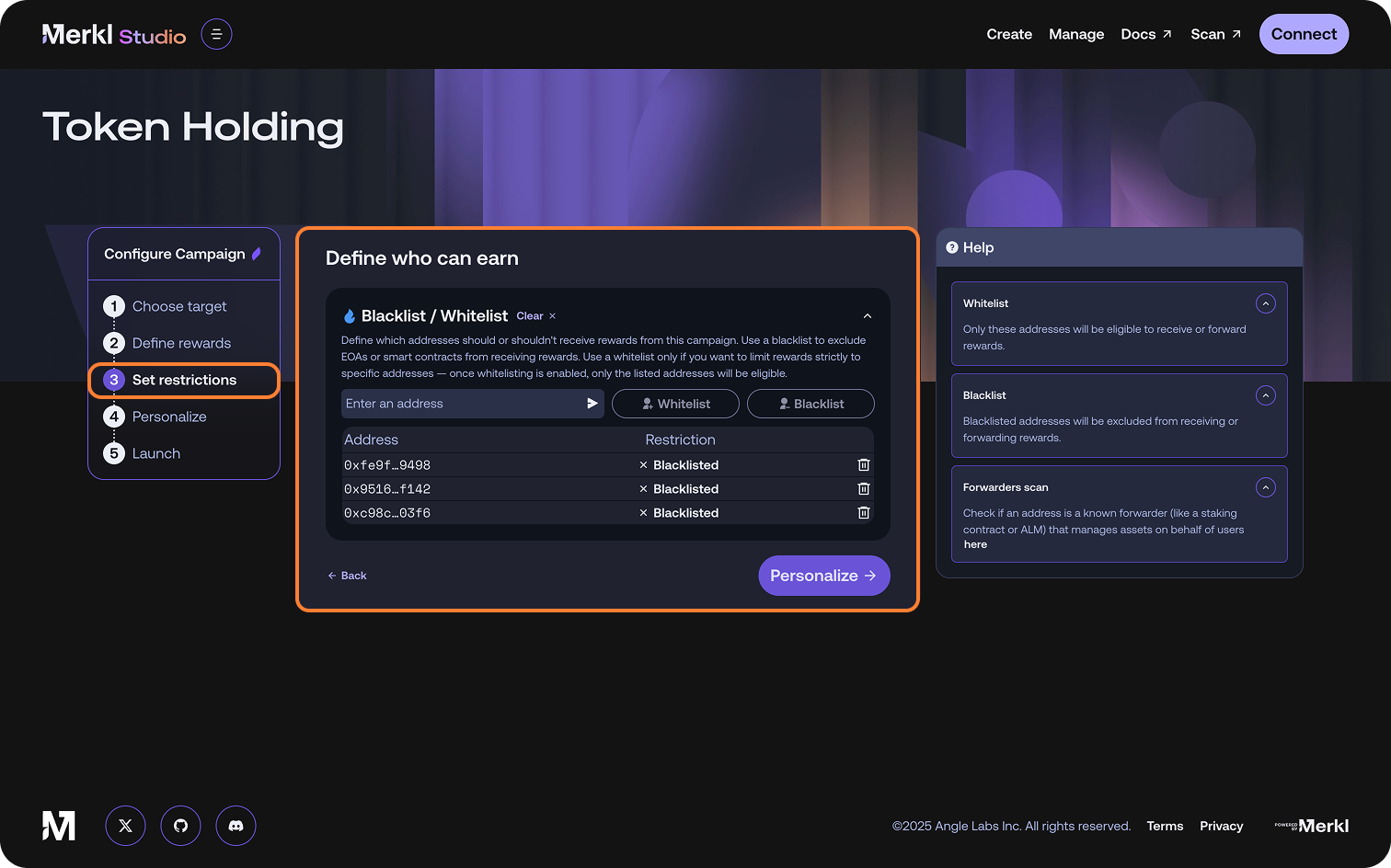
Merkl: Facilitates STABLE token airdrops and liquidity incentives for partners.
Developers gain from this network effect immediately. Payments firms integrate instant USD₮ transfers for global commerce, while custody solutions leverage native USDT for secure holdings. Neobanks experiment with frictionless user experiences, and DeFi teams deploy low-cost AMMs. It’s a virtuous cycle: more builders mean richer liquidity pools, drawing savvy investors to STABLE tokenomics.
STABLE Token Launch and Governance Foundations
The STABLE governance token caps at 100 billion fixed supply, with thoughtful allocations to community airdrops, ecosystem grants, core contributors, and early backers. A Merkl-powered airdrop kicked off distribution, rewarding early depositors and aligning incentives for long-term growth. For traders, STABLE isn’t mere speculation; it’s a stake in a network processing real volume, from settlements to DeFi primitives.
Early challenges tested the waters, but resolutions around redemptions and gas provisioning showcased operational maturity. With mainnet metrics climbing steadily, StableChain positions itself as the go-to USDT native L1 for chain native stablecoins StableChain strategies. Traders eyeing L2 alternatives like Base or Arbitrum should weigh this L1’s dollar-denominated predictability against cross-chain hops.
Explore deeper into its payment revolution in this analysis. The infrastructure expands Bitfinex and Tether’s footprint, extending USDT’s dominance into a dedicated settlement layer.
STABLE’s utility extends beyond governance, powering incentives for liquidity providers and protocol integrations. As the network matures, expect STABLE to underpin fee discounts and staking rewards, fostering deeper DeFi liquidity on this USDT native L1. Traders positioning for chain native stablecoins StableChain dominance will find its fixed supply a bulwark against dilution, contrasting inflationary models elsewhere.
Metrics That Matter: 860K Transactions and Counting
StableChain mainnet’s trajectory impresses: 860,000 transactions processed by early 2026, alongside 4,600 smart contracts deployed. These figures underscore real adoption, not vaporware. Pre-deposit volumes topping $1.1 billion across 10,000 wallets reflected institutional bets paying off, as payments and FX desks route volume through USDT rails. DeFi traders benefit from this depth, executing swaps with minimal slippage in a predictable fee environment.
StableChain Key Metrics
| Metric | Value |
|---|---|
| Transactions | 860K |
| Contracts | 4.6K |
| Pre-deposits | $1.1B |
| Wallets | 10K |
| Partners | 150 |
Such scale draws parallels to high-throughput L1s, but StableChain’s USDT gas moat sets it apart. No more frontrunning gas wars; just steady execution for high-stakes plays. Developers report sub-second confirmations holding firm under load, a boon for real-world settlement where timing is currency.
Navigating Launch Challenges: From Gas Squeezes to Smooth Operations
No mainnet bows without friction. StableChain faced redemption glitches and temporary gas shortages post-launch, testing user patience. Yet, swift patches restored flows, with Tether’s infrastructure muscle ensuring USDT minting synced seamlessly. These weren’t fatal flaws but growing pains for a novel gas model, now battle-tested. Investors who held through the dips witnessed STABLE’s resilience, mirroring networks that thrived after teething issues.
Contrast this with fragmented L2 stablecoin silos on Arbitrum or Base: cross-chain bridging introduces depeg risks and delays. StableChain sidesteps that, offering a unified USDT rail for DeFi traders seeking efficiency. Dive into how Layer 1s like this reshape payments here.

Partners accelerated fixes too. Curve Finance tuned liquidity pools for gas stability, while Anchorage fortified custody rails. Result? A network primed for enterprise-grade volume, from neobank remittances to FX hedging.
Why DeFi Traders Choose StableChain Partners Over L2 Alternatives
For those navigating Optimism or Base, StableChain poses a compelling pivot. L2s excel in cheap ETH gas, but USDT native L1 trumps for dollar-denominated trades. No wrapped assets, no sequencer risks; pure USDT settlement at sub-cent fees. StableChain partners DeFi protocols amplify this, with 150 builders spanning Transak on-ramps to WalletConnect wallets.
StableChain Edges Over L2s
-
Predictable USDT Fees: Low, fixed costs with no ETH gas volatility.
-
Sub-Second Finality: Instant transaction confirmation on USDT-native L1.
-
Native Liquidity: Direct USDT access, no bridges or cross-chain risks.
-
150+ Partners: Unified ecosystem vs fragmented L2s (PayPal, Curve, Anchorage).
-
Payments/FX Rails: Built for real-world commerce and settlements.
Strategic traders layer positions here: stake STABLE for yields, farm USDT pools via Curve, or custody with Anchorage for compliance. It’s a full-stack play, where chain native stablecoins StableChain thrives without interoperability headaches.
Looking ahead, expect expansions into tokenized RWAs and CBDC bridges, solidifying USDT rail real-world settlement supremacy. Bitfinex’s exchange integrations will funnel retail flows, boosting TVL. For developers, grants from the ecosystem pot incentivize novel dApps, from perpetuals to options vaults pegged to USD.
StableChain isn’t chasing moonshots; it’s engineering the plumbing DeFi needs to scale globally. Traders who grasp this shift – prioritizing rails over hype – position for outsized returns in a stablecoin-first world.