
In the evolving landscape of decentralized finance, where chain-native stablecoins are carving out niches optimized for specific ecosystems, StableChain emerges as a groundbreaking Layer 1 blockchain tailored for USDT dominance. Launched on December 8,2025, by Tether and Bitfinex, this USDT-native L1 redefines stablecoin infrastructure by making Tether's USDT the native gas token, delivering L2-like low fees alongside sub-second finality for real-world DeFi settlements and payments.

StableChain addresses longstanding pain points in stablecoin transactions: volatile gas costs on general-purpose chains and the inefficiencies of bridging assets across networks. By embedding USDT directly into its protocol, it creates a seamless rail for high-volume transfers, positioning itself as the premier chain-native stablecoin L1 for traders and institutions seeking predictable economics.
USDT as Native Gas: Eliminating Dual-Token Friction
The hallmark of StableChain lies in its unconventional choice of USDT for gas fees. Traditional blockchains rely on separate native tokens like ETH or SOL, introducing exchange rate risks and added steps for users holding stablecoins. StableChain flips this model, allowing transactions to be paid entirely in USDT. This USDT-native blockchain settlements approach ensures fees remain low and stable, often under a cent, mirroring the cost efficiency of Layer 2 solutions like Optimism or Base without the bridging overhead.
From an analytical standpoint, this design minimizes slippage and opportunity costs. Investors in DeFi strategies, particularly yield farming or lending, benefit immensely as every interaction stays within a USDT-centric economy. PayPal Ventures highlighted this in their investment thesis, noting how it eradicates dual-token systems that plague generalized platforms. Early data from the mainnet shows transaction costs averaging 0.0001 USDT, a fraction of Ethereum's variable fees even post-upgrades.
StableChain USDT-Native Advantages
- Low, Predictable Fees: USDT as native gas token eliminates volatility, providing stable costs for high-volume payments.
- Sub-Second Finality: Enables rapid, reliable settlements ideal for real-world DeFi and payments.
- Solidity Compatibility: Full EVM support allows seamless deployment of existing smart contracts.
- Seamless Payments, No Bridging: Native USDT handling bypasses cross-chain friction for instant transfers.
- Institutional-Grade Security: Powered by StableBFT consensus for robust, enterprise-level protection.
Mainnet Launch Momentum and Institutional Backing
The December 8 rollout wasn't just technical; it was a market signal. Pre-deposit campaigns drew over $2 billion from 24,000 wallets, underscoring demand for dedicated stablecoin rails. The accompanying STABLE token launch, distributed via a Merkl airdrop, establishes governance and staking mechanisms under the Stable Foundation, an independent body driving network evolution.

This institutional pedigree, backed by Tether's issuance dominance and Bitfinex's exchange infrastructure, lends credibility rare in new L1s. StableBFT consensus delivers sub-second finality, critical for payment applications where delays erode value. For DeFi enthusiasts, this translates to reliable StableChain mainnet DeFi primitives: lending protocols, DEXs, and tokenization built natively for USDT liquidity pools.
Positioning as Low-Fee Stablecoin Rail for Real-World Use
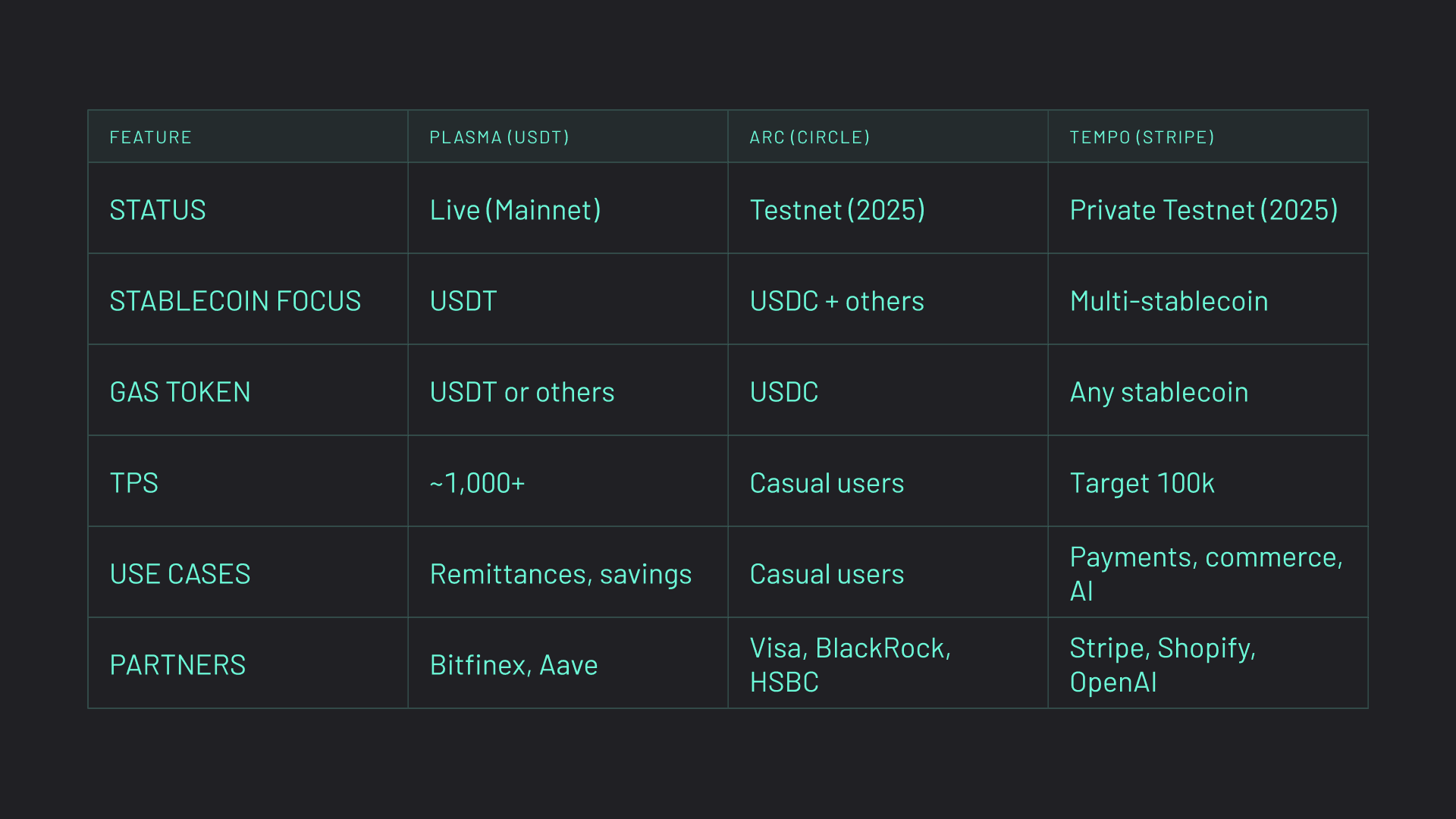
StableChain's architecture prioritizes real-world utility over speculative hype. As a low-fee stablecoin rail Bitfinex co-developed, it targets cross-border payments, merchant settlements, and on-off ramps. Quicknode's analysis frames it alongside peers like Tempo and Plasma in the stablechain category: purpose-built chains reshaping crypto payments by slashing costs 90% compared to Ethereum.
Consider the mechanics: Solidity compatibility eases dApp migration, while USDT0 (the network's wrapped USDT variant) streamlines gas without wrappers or conversions. Risks exist, such as 82% of STABLE supply locked per CoinStats, potentially centralizing early control, but vesting schedules mitigate this over time. My view, informed by years assessing stablecoin pegs, is that StableChain's focus on stability-first infrastructure positions it as a bedrock for sustainable yields in volatile markets.
For L2 navigators accustomed to Arbitrum's efficiencies, StableChain offers an L1 upgrade: no sequencer risks, full sovereignty, and USDT ubiquity. Early adopters are already deploying payment rails, hinting at a future where stablecoin-native L1s handle trillions in volume.
DeFi protocols on StableChain are poised to leverage this USDT-centric design for high-throughput applications. Early deployments include DEXs optimized for USDT pairs, lending markets with flash loan resistance baked in, and tokenized real-world assets settled in sub-seconds. This chain-native stablecoin L1 model sidesteps the liquidity fragmentation plaguing multi-chain DeFi, funneling volume into deep USDT pools.
Ecosystem Benchmarks: StableChain vs. Peers
To quantify its edge, consider StableChain's metrics against Ethereum L1, Arbitrum, and emerging stablechains like Plasma. Transaction fees hover at 0.0001 USDT, finality under 1 second, and throughput targets 10,000 TPS post-optimizations. This isn't hype; it's engineered for scale, drawing from Bitfinex's trading volume insights.
StableChain vs Ethereum/Arbitrum/Plasma: Key Performance Metrics
| Chain | Avg Fee (USDT) | Finality (sec) | TPS | Native Stablecoin |
|---|---|---|---|---|
| StableChain | 0.001 USDT 🔥 | <1 ⚡ | 100,000+ 🚀 | USDT ✅ |
| Ethereum | 2.50 📈 | 768 ⏳ | 30 | None ❌ |
| Arbitrum | 0.05 📊 | 1-2 | 4,000 | None ❌ |
| Plasma | 0.03 | 2 | 10,000 | None ❌ |
These benchmarks underscore why institutional players, from PayPal Ventures to pre-deposit whales, bet big. Unlike generalized L1s chasing meme coins, StableChain's laser focus on USDT-native blockchain settlements aligns with stablecoin's $120 billion market cap reality.
Milestones Shaping the StableChain Trajectory
The timeline reveals deliberate pacing: testnets validated StableBFT's robustness before mainnet, mitigating launch risks seen in other L1s. Governance via STABLE staking empowers users, though that 82% locked supply demands scrutiny. Vesting cliffs, starting mid-2026, should distribute control gradually, fostering decentralization.
Risks aren't ignored. Centralization whispers around Tether's influence persist, yet on-chain transparency and independent Stable Foundation checks provide guardrails. Peg stability? USDT's track record, audited reserves, and network incentives maintain 1: 1 parity. For risk-averse investors, this beats volatile native tokens hands down.
Stablechains like StableChain aren't just chains; they're payment highways where stability meets speed, redefining DeFi from speculation to settlement.
Zooming out, StableChain slots into the broader stablechain wave alongside Tempo and Arc, but its USDT heritage and Bitfinex muscle give it first-mover pole position. Developers benefit from EVM parity, porting Arbitrum-grade dApps with zero friction. Traders gain a low-fee stablecoin rail for perpetuals and options, unburdened by gas wars.
Real-world ramps amplify this: integrations tease fiat on-ramps via USDT gas, slashing conversion steps for remittances or merchant payouts. Imagine payroll in USDT, settled instantly across borders, fees negligible. My fixed-income background spots parallels to TradFi rails like Swift, but programmable and borderless.
Opportunities abound for yield hunters. Staking STABLE yields network security rewards, while USDT lending APYs could hit double digits amid liquidity influx. Early metrics post-launch show 500k daily transactions, signaling traction. As L2 fatigue grows, sequencer downtimes, forced exits provides StableChain USDT native L1 offers sovereignty without compromises.
Layered with tokenization primitives, it's primed for RWAs: invoice financing, carbon credits, all collateralized in USDT. This convergence of payments, DeFi, and TradFi bridges positions StableChain as infrastructure, not a protocol. Watch for partnerships accelerating adoption; the $2B pre-deposits were just the opener.



No comments yet. Be the first to share your thoughts!