
Get chain-native stablecoins right
Before integrating native stablecoins, you must verify the issuance mechanism and liquidity depth. Native issuance means the stablecoin is minted directly on the target blockchain, avoiding the bridge risks associated with cross-chain wrappers. This approach simplifies compliance and reduces counterparty exposure.
Verify the issuance model
Ensure the stablecoin is issued natively on the chain you are using. Native tokens do not rely on external bridges or wrapped versions, which are common points of failure. Check the official documentation of the stablecoin issuer to confirm the mint/burn functions are deployed on your target network.
Assess liquidity depth
Check the available liquidity in decentralized exchanges (DEXs) or centralized order books. Thin liquidity can lead to significant slippage during large transactions. Look for consistent trading volumes across multiple pairs to ensure you can enter and exit positions without impacting the market price.
Test transaction costs
Run a small test transaction to measure gas fees and finality times. Some chains have high base fees during congestion, which can erode yield. Compare the cost of on-chain operations against your expected yield to ensure the strategy remains profitable.
Check regulatory compliance
Confirm that the stablecoin issuer complies with local regulations in your jurisdiction. Some issuers restrict participation from certain countries. Review the issuer’s terms of service and any required KYC/AML procedures to avoid account freezes or asset seizures.
Work through the steps to issue chain-native stablecoins
Issuing a stablecoin natively on a blockchain means creating the token directly on its home network rather than wrapping an existing token from another chain. This approach avoids bridge risks and reduces latency. Follow this sequence to structure a compliant, functional native issuance.

Choose a blockchain where your target users already have wallets and liquidity. Major networks like Ethereum, Solana, and Tron offer deep liquidity pools. Avoid chains with fragmented liquidity unless you have a specific enterprise use case that justifies the overhead.

Define the technical specification. For Ethereum, this is typically ERC-20, while Solana uses SPL tokens. Include mandatory metadata: name, symbol, and decimals (usually 6 or 8 for USD-pegged assets). Ensure your smart contract includes functions for minting and burning, which are essential for maintaining the peg.
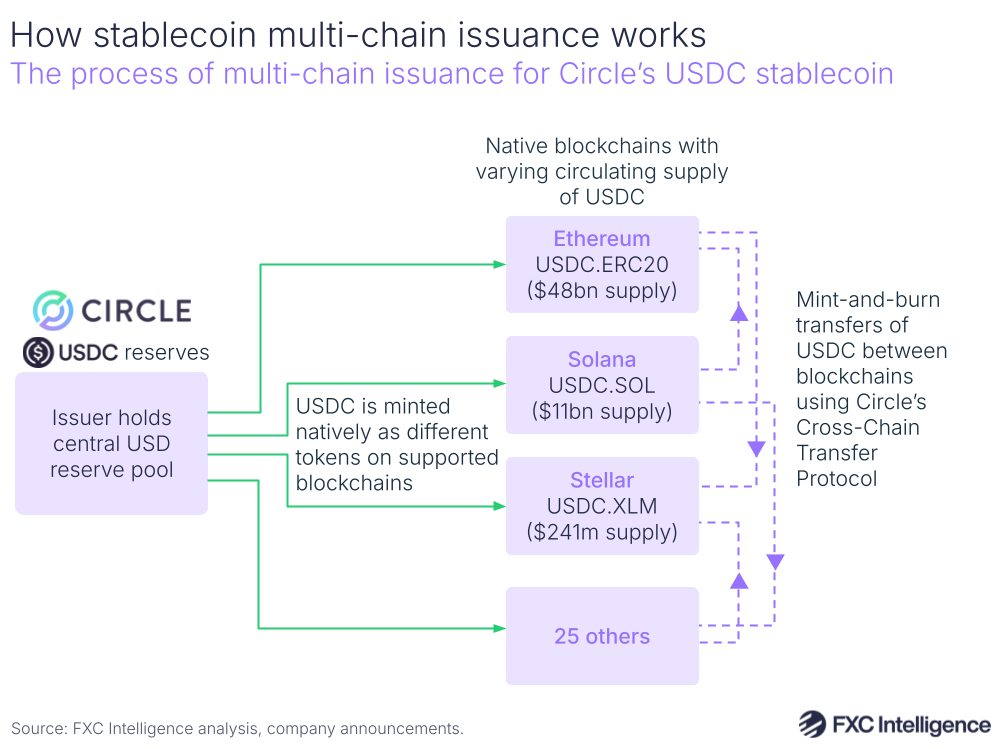
Write and audit the issuance contract. Use established libraries like OpenZeppelin to minimize vulnerabilities. Deploy the contract to the mainnet after a thorough security audit. This step creates the "native" token that exists solely on this chain, distinct from any wrapped versions on other networks.

Link the token to a reserve asset. When a user deposits fiat or collateral, your system mints new tokens. When they return tokens, your system burns them. This mint/burn cycle ensures the circulating supply matches the reserve value, maintaining the 1:1 peg.
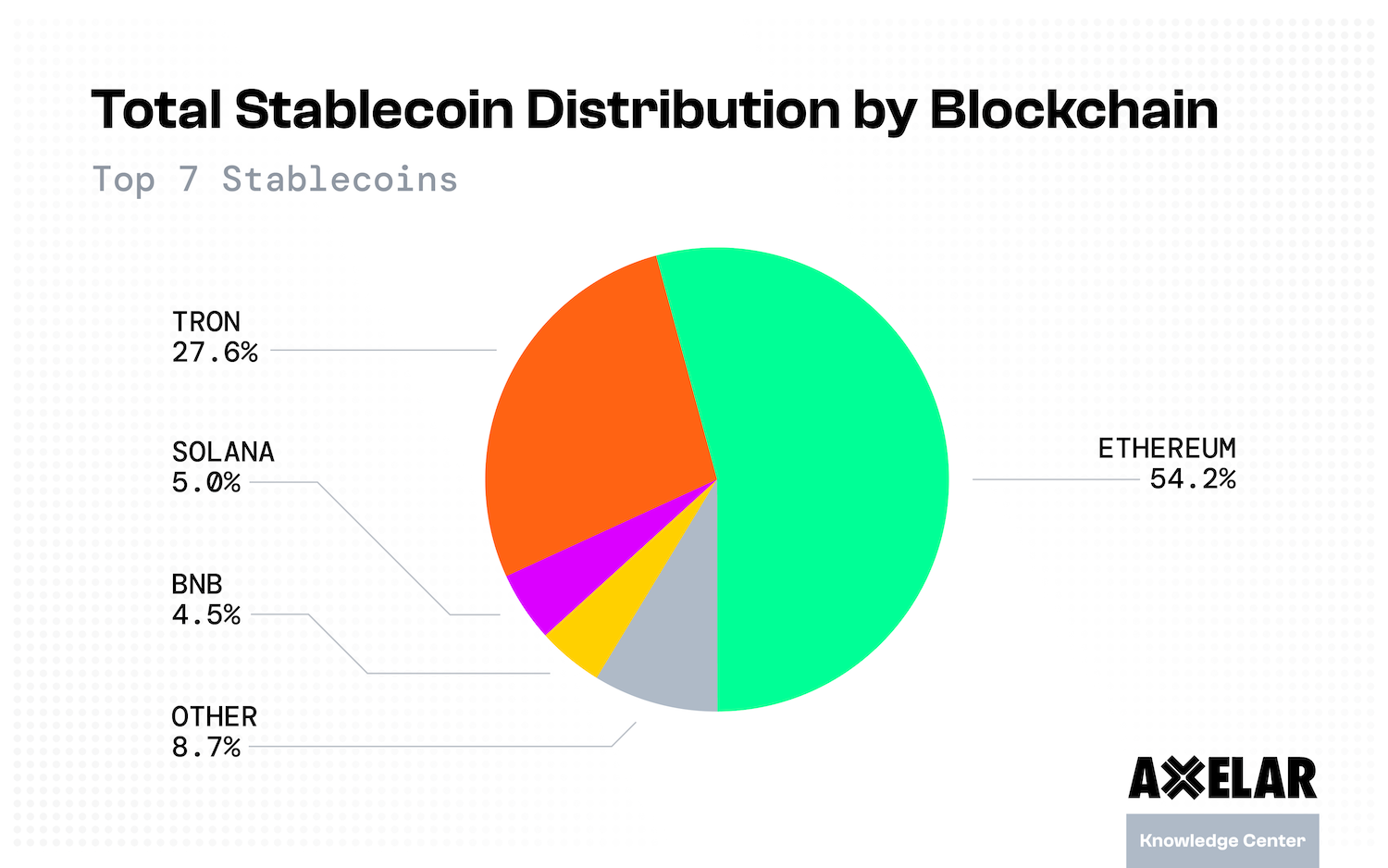
Native tokens need immediate liquidity. List the token on decentralized exchanges (DEXs) like Uniswap or Raydium. Provide initial liquidity pairs (e.g., STABLE/USDC) to enable trading. Without deep liquidity, the token will suffer from high slippage and price instability.
Common Mistakes in Native Stablecoin Issuance
Issuing chain-native stablecoins requires precise technical execution and strict adherence to regulatory frameworks. Even small oversights can lead to liquidity fragmentation, smart contract vulnerabilities, or loss of peg stability. Below are the most frequent errors and how to correct them.
Ignoring Cross-Chain Liquidity Fragmentation
Many issuers launch native tokens on multiple chains without a unified liquidity strategy. This creates isolated pools where users on one chain cannot easily access capital from another. The result is slippage and inefficient capital usage.
Fix: Implement cross-chain messaging protocols (like LayerZero or CCIP) to bridge liquidity seamlessly. Ensure that bridge contracts are audited and that liquidity incentives are balanced across all active chains. Test bridge functionality under high-volume conditions before mainnet launch.
Overlooking Regulatory Compliance by Jurisdiction
Native stablecoins operate in a complex legal landscape. Issuers often assume that compliance in one jurisdiction (e.g., the US) automatically covers global operations. This is incorrect. Different regions have distinct requirements for reserves, reporting, and consumer protection.
Fix: Engage legal counsel in every jurisdiction where your stablecoin is accessible. Maintain transparent, real-time reserve attestations. Publish monthly compliance reports that detail reserve composition and regulatory status. Use official sources for legal interpretations to avoid missteps.
Neglecting Smart Contract Audit Depth
A single audit is insufficient for native stablecoins, which handle real-world value. Many issuers rely on one-time audits without ongoing monitoring. This leaves vulnerabilities exposed to evolving attack vectors.
Fix: Conduct multiple audits from different reputable firms. Implement bug bounty programs. Use formal verification for critical contract functions. Monitor contracts continuously with on-chain analytics tools to detect anomalies early. Document all audit findings and remediation steps publicly.
Failing to Establish Clear Redemption Mechanisms
Users need confidence that they can redeem stablecoins for fiat or equivalent value at any time. Issuers who delay or complicate redemption processes erode trust quickly.
Fix: Build automated, transparent redemption portals. Ensure reserves are held in highly liquid, regulated assets. Publish real-time reserve data. Test redemption flows under stress conditions to guarantee uptime and speed. Communicate redemption policies clearly to users.
Underestimating Oracle Dependency Risks
Native stablecoins often rely on oracles for price feeds, especially if pegged to volatile assets or multiple fiat currencies. Oracle manipulation or failure can destabilize the peg.
Fix: Use decentralized oracle networks with multiple data sources. Implement fallback mechanisms if primary oracles fail. Regularly review oracle configurations and data integrity. Monitor oracle performance metrics and set alerts for deviations.
Skipping Stress Testing
Many issuers launch without simulating extreme market conditions. This leaves systems vulnerable to flash crashes, liquidity droughts, or cascading failures.
Fix: Run comprehensive stress tests simulating black-swan events. Include scenarios like sudden reserve depletion, network congestion, and oracle failures. Use testnets to validate responses. Adjust parameters based on test results before mainnet deployment.
Chain-native stablecoins: what to check next
Addressing common uncertainties helps clarify how native issuance impacts liquidity, yield, and risk. These answers focus on practical distinctions rather than general crypto definitions.
No comments yet. Be the first to share your thoughts!