What are chain-native stablecoins?
Chain-native stablecoins are digital dollar assets minted directly on their host blockchain, bypassing the traditional ERC-20 wrapper model. Instead of bridging USDC from Ethereum, these protocols issue dollars natively on Layer 1s like Solana, Tron, or emerging networks such as Plasma. This architecture shifts stablecoins from being passive assets to core financial infrastructure, enabling settlement speeds and fee structures that legacy bridges cannot match.
The shift is particularly evident in 2026, as new wave dollar-native blockchains like Tempo, Codex, and Monad prioritize native issuance. By eliminating bridge risk and reducing gas costs, these chains allow for high-frequency DeFi interactions that were previously too expensive or slow. This isn't just an upgrade in speed; it is a fundamental restructuring of how liquidity moves through the crypto economy.
| Chain Type | Native Asset | Best For | Bridge Risk |
|---|---|---|---|
| Ethereum L2 | USDC (Wrapped) | High-security DeFi | Low (Audited) |
| Solana | USDC (Native) | High-speed payments | None |
| Emerging L1 | Native Dollar | Low-fee yield | Variable |
The tradeoff is clear: while Ethereum L2s offer the deepest liquidity pools, emerging native chains provide the efficiency needed for everyday transactions. For users prioritizing yield and speed over maximum security, chain-native assets are becoming the default choice.
Chain-native stablecoins 2026 choices that change the plan
Choosing a blockchain for stablecoins in 2026 is no longer just about picking the biggest network. It is about matching the asset’s native infrastructure to specific financial needs. The shift toward dollar-native L1s like Plasma and Monad, alongside established leaders like Ethereum and Solana, means you must evaluate tradeoffs across cost, speed, and regulatory clarity.
The following comparison breaks down the primary options for holding and transacting stable assets. Use this table to identify which chain aligns with your immediate requirements.
| Chain | Settlement Speed | Avg. Tx Cost | Best Use Case |
|---|---|---|---|
| Ethereum L2s | Seconds | Low | DeFi integration & security |
| Solana | Sub-second | Very Low | High-frequency trading |
| Plasma | Instant | Zero | Regulatory compliance |
| Tron | Seconds | Low | Emerging market transfers |
| BNB Chain | Seconds | Low | Exchange liquidity |
Evaluating the choices that change the plan
Ethereum’s layer-2 networks, such as Arbitrum and Base, remain the gold standard for security and DeFi integration. While transaction fees are slightly higher than pure L1s, the depth of liquidity and institutional trust makes them the safest choice for large-scale treasury management or complex financial strategies.
For users prioritizing speed and minimal cost, Solana offers sub-second settlement at a fraction of the price. This makes it ideal for high-frequency trading or consumer-facing applications where latency matters. However, it lacks the extensive institutional infrastructure found on Ethereum.
Newer chains like Plasma are emerging with a unique value proposition: zero fees combined with built-in regulatory compliance. These chains are designed for institutions that need to move money instantly without the friction of traditional banking or the volatility of legacy crypto networks. Tron and BNB Chain continue to dominate in specific niches, particularly for cross-border remittances and exchange-based liquidity.
Making the decision
Your choice should depend on your primary goal. If you are building or interacting with complex DeFi protocols, stick to Ethereum L2s. If you are moving funds quickly for personal use or trading, Solana or Tron are more efficient. For institutional or compliance-heavy workflows, look toward dollar-native chains like Plasma.
How to Choose a Stablecoin Chain
The stablecoin landscape in 2026 is no longer a monolith. Dollar-native chains like Plasma and Tempo are challenging legacy leaders by removing fees and embedding compliance, while established networks like Ethereum and Solana offer unmatched liquidity. Choosing the right chain depends on whether you prioritize speed, cost, or regulatory safety.
Use this decision framework to match your use case to the right infrastructure.
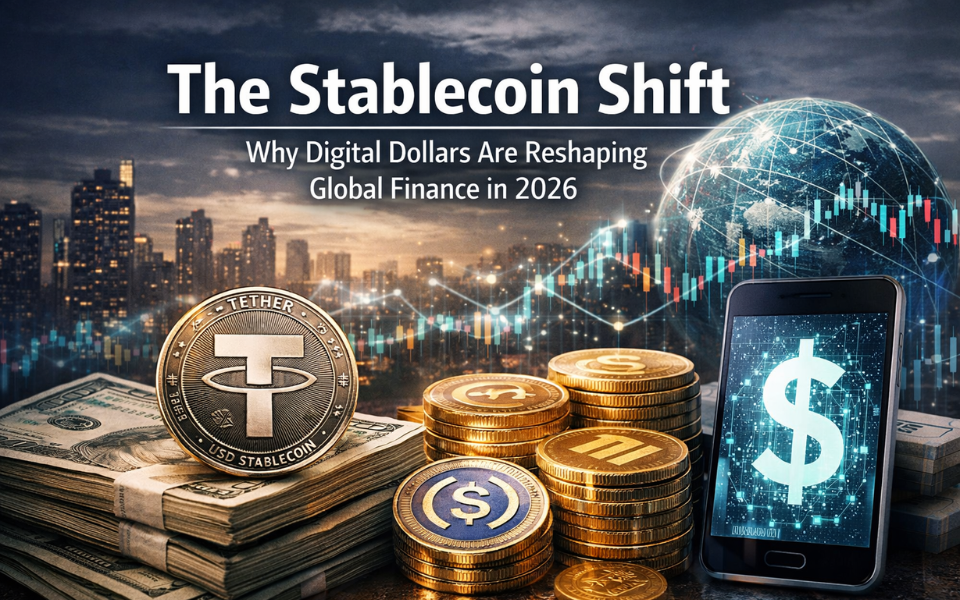
Start by defining your main bottleneck. If you are building a high-frequency trading bot or a micro-payment app, transaction fees and settlement speed are your primary concerns. For institutional custodians or cross-border remittances, regulatory compliance and audit trails take precedence. If neither is the main issue, liquidity depth becomes the deciding factor.

Legacy chains like Ethereum and BNB Chain offer deep liquidity but can be expensive during congestion. Newer L1s like Plasma and Monad offer near-zero fees and high throughput. Solana remains the benchmark for speed. If you are moving large volumes, the fee savings on a new chain can be substantial, but you must weigh this against potential slippage from lower liquidity.
Compliance is the new moat. Chains like Plasma and Converge are built with embedded compliance, making them attractive for institutional players who need to meet regulatory standards. If you are operating in a jurisdiction with strict financial laws, choosing a chain with built-in compliance features reduces legal risk and operational friction.
Liquility is king. Even if a new chain is faster and cheaper, it is useless if there is no depth to your trades. Ethereum and Solana have deep, mature ecosystems. Newer chains like Codex and Stable are growing but may have narrower liquidity pools. For large transactions, stick to chains with high volume to minimize slippage.
| Chain | Speed | Cost | Compliance | Best For |
|---|---|---|---|---|
| Plasma | High | Zero | Embedded | Institutional payments |
| Solana | Very High | Low | Standard | High-frequency trading |
| Ethereum | Medium | High | Standard | Large-scale liquidity |
| BNB Chain | High | Low | Standard | Exchange liquidity |
| Tron | High | Low | Standard | Emerging market transfers |
Spotting Weak Stablecoin Options
Not every dollar-native chain offers the liquidity or yield you expect. Many new entrants market themselves as the "best" choice, but they often lack the depth required for serious DeFi operations. You need to separate marketing claims from actual on-chain mechanics. Start by checking the primary keyword cluster: chain-native stablecoin liquidity and yield sustainability.
The Fee Myth and Hidden Costs
Plasma and similar new L1s promise zero fees, but this often masks higher slippage or lower yields. When you trade on a thin order book, the spread costs more than gas. Ethereum L2s like Arbitrum and Base have higher base fees but deeper liquidity, meaning your trades execute closer to the mid-price. Always calculate the total cost of execution, not just the network fee. A cheap transaction that loses 50 bps to slippage is worse than an expensive one that loses none.
Yield That Isn't Real Yield
Some chains offer double-digit APYs on stablecoins, but this is often unsustainable. High yields usually come from volatile native tokens, not from real yield generation like lending or trading fees. If the yield is paid in the chain's native token, it is exposed to market volatility. Look for protocols that generate yield from actual economic activity, such as stablecoin lending rates or stablecoin swap fees. If the yield looks too good to be true, it likely is.
Liquidity Depth Over Speed
Speed is not the only metric that matters. Solana offers fast settlement, but if the liquidity is fragmented across multiple pools, you will face significant price impact. Compare the total value locked (TVL) in stablecoin pools across chains. Ethereum L2s generally offer the deepest pools, while newer chains like Monad or Codex are still building their liquidity bases. For large transactions, depth is more critical than speed.
Regulatory Compliance and Custody
Not all stablecoins are created equal. USDC and USDT are the most widely accepted, but their issuance and custody structures vary. Some chains support only specific stablecoins, limiting your options. Check which stablecoins are fully supported and whether they are issued by regulated entities. Unregulated stablecoins carry higher counterparty risk. In 2026, regulatory clarity is becoming a key factor in stablecoin adoption. Choose chains that support compliant, fully reserved stablecoins to minimize risk.
Decision Framework
| Use Case | Best Chain Option | Why |
|---|---|---|
| Large Trades | Ethereum L2s (Arbitrum, Base) | Deepest liquidity, lowest slippage |
| High-Frequency Trading | Solana | Fast settlement, low latency |
| Low-Volume Transfers | Plasma | Zero fees, sufficient for small amounts |
| Yield Farming | Ethereum L2s | Sustainable yields from real activity |
Choose the chain that matches your specific needs. Do not be swayed by marketing claims. Verify liquidity depth, yield sustainability, and regulatory compliance before committing capital.
Chain-native stablecoins 2026: what to check next
Stablecoins are shifting from simple payment rails to core financial infrastructure, with 2026 marking a transition toward dollar-native blockchains like Plasma and Monad. This evolution prioritizes speed, regulatory compliance, and native yield over the legacy fee structures of earlier generations.
The landscape is fragmenting by utility. Legacy chains offer security but suffer from congestion. Newer chains offer speed but require deeper liquidity analysis. Choose based on whether you prioritize institutional safety or transactional efficiency.
No comments yet. Be the first to share your thoughts!