
Define chain-native stablecoins clearly
Before evaluating any protocol, distinguish between tokens that are truly native to a blockchain and those relying on cross-chain bridges. A chain-native stablecoin is minted, burned, and settled exclusively on its home chain, removing the need for third-party bridges. In contrast, bridged or wrapped tokens represent an asset from one chain as a receipt on another, introducing counterparty risk dependent on bridge integrity and custodians.
When encountering a stablecoin, check its official documentation or on-chain explorer. If the token’s supply is managed by a native smart contract on that chain, it is native. If it claims to represent an asset from another chain, it is wrapped or bridged. Your security evaluation should start here, as bridged assets carry inherent structural vulnerabilities that native assets do not.
Verify the collateral and issuance mechanism
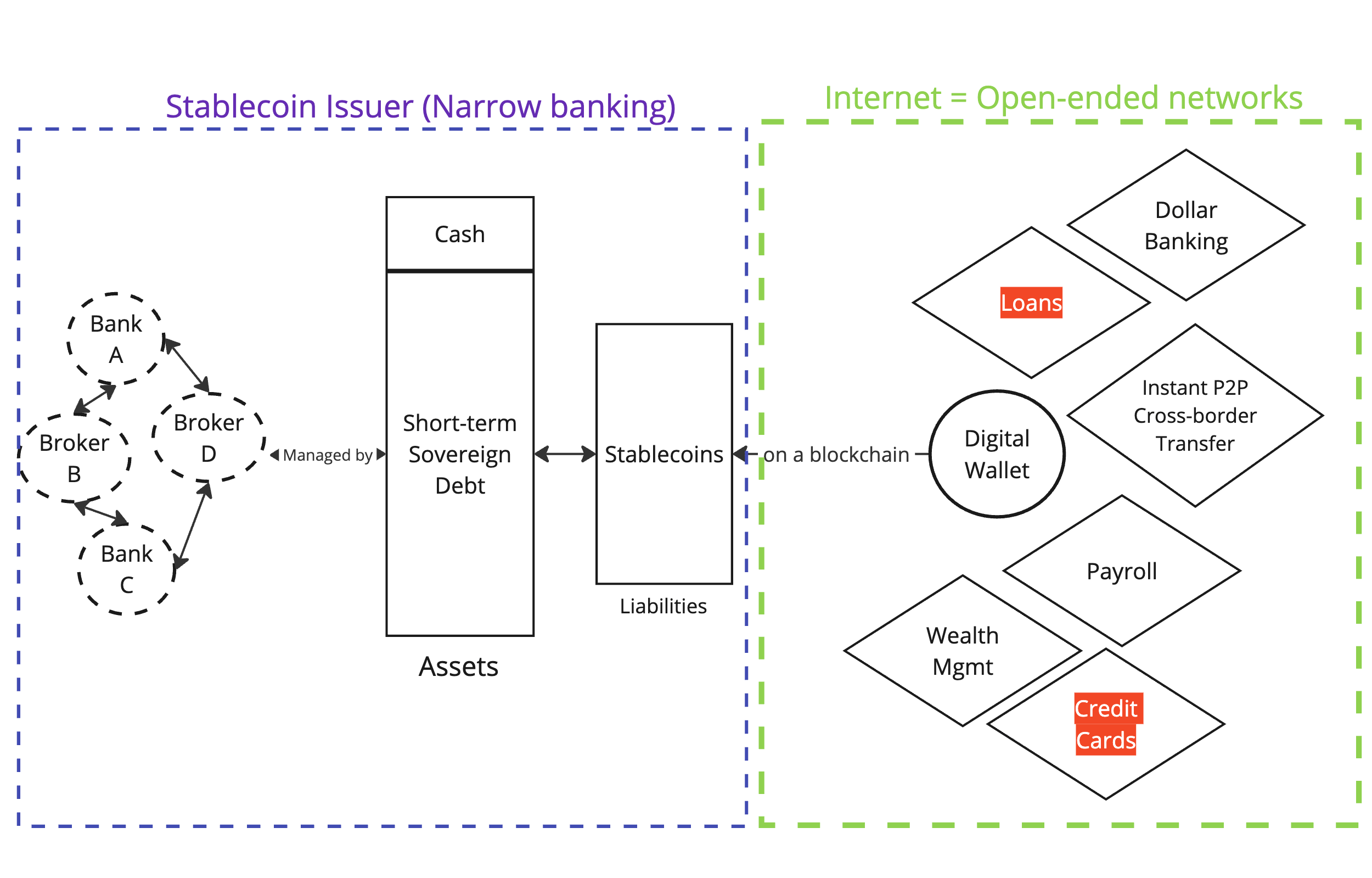
To evaluate a chain-native stablecoin, audit the backing that maintains its peg. This process requires checking the issuer's transparency, the composition of the reserve assets, and the on-chain proof that those assets actually exist. Chain-native stablecoins, particularly those issued on networks like Ethereum or Bitcoin layers, rely on specific collateralization models that differ from traditional banking reserves.
Start by confirming who issues the token. For chain-native stablecoins, the issuer is often a regulated financial entity or a decentralized protocol with a clear legal wrapper. Check if the issuer publishes regular attestation reports from independent accounting firms. If the issuer is anonymous or the legal entity is opaque, the risk of a liquidity mismatch or regulatory seizure increases significantly.
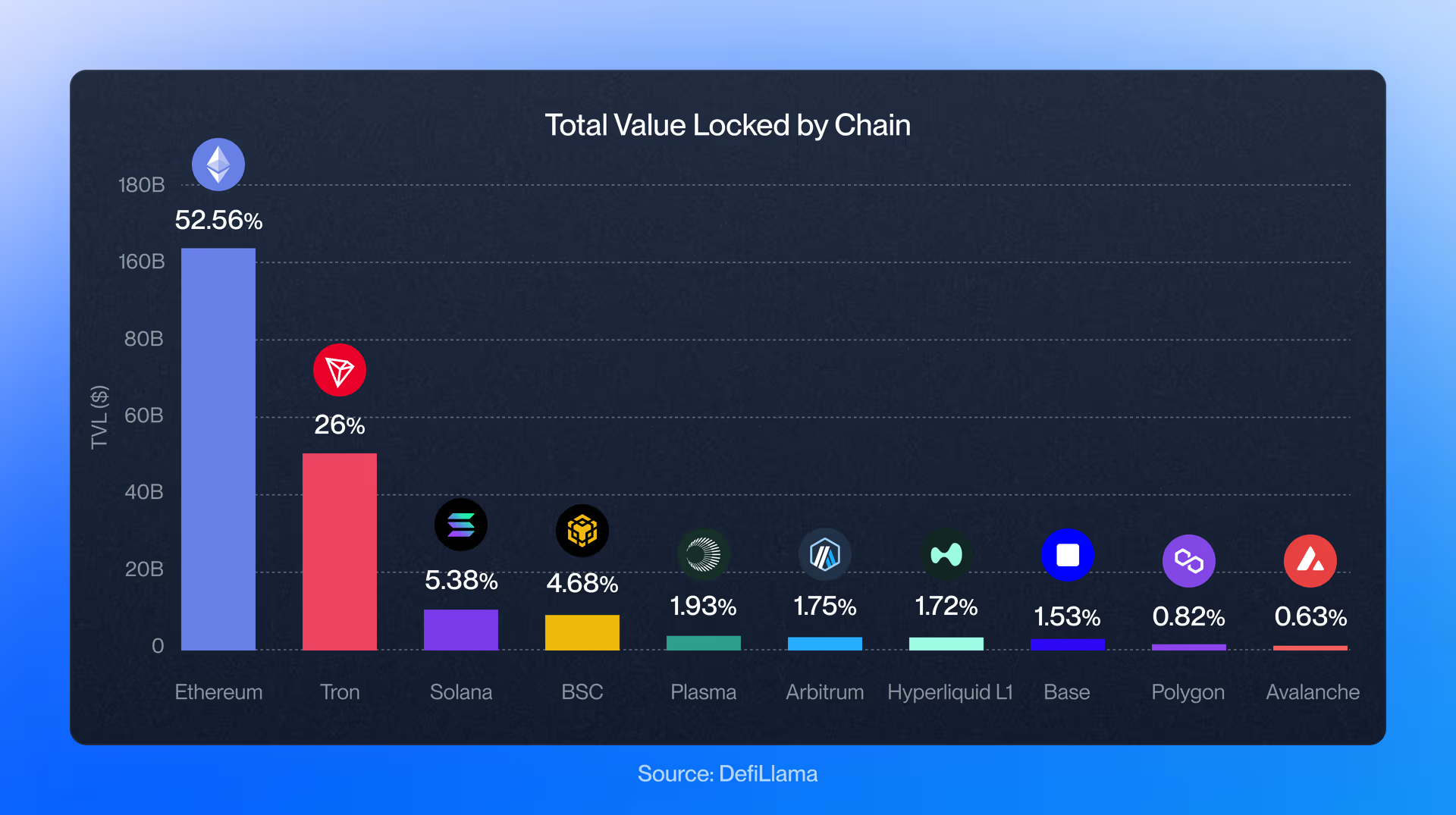
Examine what assets back the stablecoin. Is it 100% cash and short-term U.S. Treasuries, or does it include commercial paper, private credit, or other volatile Real-World Assets (RWA)? Higher yields often come with lower-quality collateral. Verify that the reserve assets are segregated and not commingled with the issuer's operational funds. Look for details on whether the reserves are held in insured custodial accounts.
For chain-native stablecoins, the ultimate verification is on-chain data. Use blockchain explorers or specialized oracle services to compare the total supply of the stablecoin against the balance of the reserve wallet(s). If the stablecoin is minted and burned via smart contracts, the contract code should be verified and immutable. Look for real-time or daily on-chain attestations rather than relying solely on monthly PDF reports.
The integrity of a chain-native stablecoin depends on this triad of legal clarity, asset quality, and cryptographic proof. Without transparent reserve data and verifiable on-chain balances, the yield offered is often a reflection of hidden risk rather than genuine value creation.
Compare yield sources and risks
Evaluate chain-native stablecoins for security and yield by following a clear sequence: define the constraint, compare realistic options, test the tradeoff, and choose the path with the fewest hidden costs. This order keeps advice usable. After each step, pause to check whether the recommendation fits your actual situation. If it depends on perfect timing, unusual access, or a best-case budget, include a simpler fallback.
| Factor | What to check | Why it matters |
|---|---|---|
| Fit | Match the option to the primary use case. | A good deal still fails if it does not fit the job. |
| Condition | Verify age, wear, and service history. | Hidden condition issues erase upfront savings. |
| Cost | Compare purchase price with likely upkeep. | The cheapest option is not always the lowest-cost option. |
Test cross-chain transfer safety
Moving stablecoins across blockchains introduces bridge risk. Native transfers reduce this exposure by bypassing third-party custodians. Use the following sequence to verify transfer safety before committing funds.
Prioritize bridges built directly into the blockchain protocol. These native bridges lock assets on the source chain and mint equivalents on the destination chain without relying on external multi-sig wallets. Examples include the official Ethereum bridge or Solana’s Wormhole native integration. This minimizes the attack surface compared to community-governed bridges.
Check if the stablecoin supports Cross-Chain Transfer Protocol (CCTP) or equivalent. CCTP allows USDC to move between chains by burning tokens on the origin and minting them on the destination, eliminating wrapped asset risk. Verify the contract addresses on the official stablecoin issuer’s website. Do not rely on third-party aggregator sites for contract verification.
Ensure the destination chain has sufficient native liquidity for the stablecoin. Low liquidity increases slippage and may force you to use risky decentralized exchanges for conversion. Check on-chain explorers or official liquidity dashboards. If liquidity is thin, consider waiting for deeper markets or using a different stablecoin variant.
Cross-chain stablecoin transfers require careful verification of the underlying mechanism. Chainlink’s cross-chain infrastructure highlights the importance of using trusted, audited pathways. Always double-check contract addresses and bridge status before initiating large transfers.
Finalize your stablecoin strategy
Deploying chain-native stablecoins requires a disciplined pre-flight checklist. A native stablecoin is minted and redeemed directly on the specific blockchain where it lives, eliminating the bridge risks that plague cross-chain transfers. Before you lock funds into yield protocols or payment rails, verify the following operational steps to protect your capital.
-
Verify native issuance: Confirm the token is natively supported on the target chain (e.g., USDC on Ethereum or Solana) rather than wrapped or bridged from another network.
-
Audit the collateral model: Check if the stablecoin is fully backed by cash and short-term government treasuries. For Bitcoin-native options, ensure BTC remains secured on Layer 1 without leaving the network.
-
Test the exit liquidity: Ensure the primary redemption channel (the issuer’s official portal or a major decentralized exchange) has sufficient depth to offload your position without slippage.
-
Confirm regulatory status: Prefer issuers with clear regulatory compliance, such as Circle’s USDC, which publishes regular attestations and adheres to evolving financial regulations.
Once these checks are complete, your strategy is grounded in security rather than speculation. Prioritize native issuers with transparent reserve reports over experimental models that rely on complex cryptographic bridges. This discipline ensures your stablecoin strategy remains resilient across market cycles.
No comments yet. Be the first to share your thoughts!