
What makes a stablecoin truly native
A native stablecoin is minted and redeemed directly on its home chain, using collateral that never leaves that network. This design eliminates the bridge risk that plagues wrapped tokens, where assets must be locked on one chain and represented on another.
Wrapped stablecoins, such as USDC on Solana or Bitcoin on Ethereum, rely on bridges to move value between networks. These bridges introduce complexity and potential points of failure. In contrast, a Bitcoin-native stablecoin keeps BTC locked in a vault on Bitcoin Layer 1, issuing the stablecoin directly on the same chain. The asset never travels, simplifying the infrastructure and reducing attack surfaces.
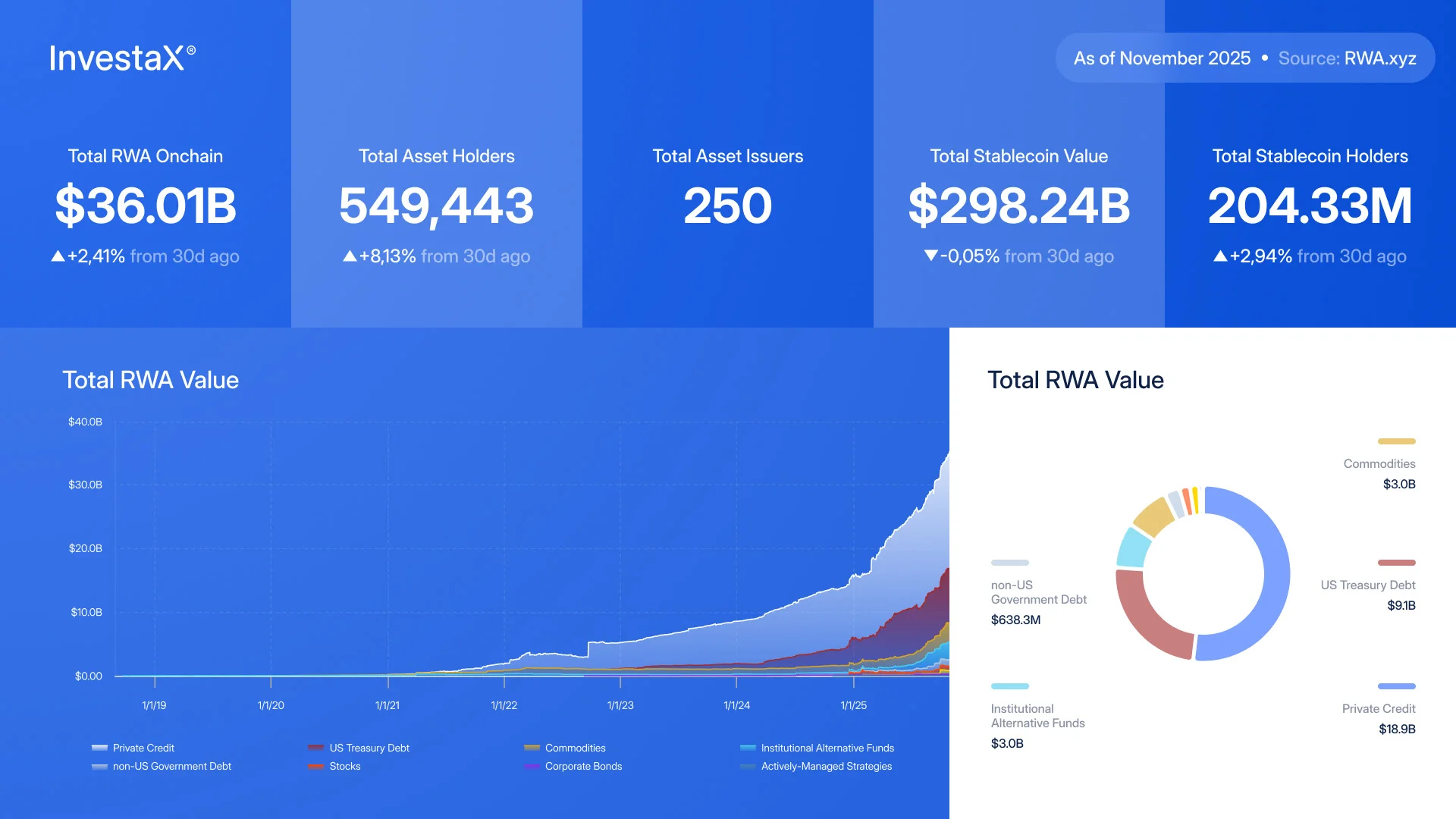
This approach shifts the focus from cross-chain interoperability to base-layer security. While Ethereum remains the dominant chain for stablecoin supply, the rise of Bitcoin-native protocols like Ducat demonstrates a growing demand for stability without sacrificing the security of the underlying asset. For investors, this means a clearer path to liquidity that doesn't depend on the trustworthiness of third-party bridge operators.
Bitcoin-native stablecoins unlock BTC liquidity
Bitcoin-native stablecoins represent a structural shift in how real-world assets interact with decentralized finance. Unlike traditional stablecoins that exist as ERC-20 tokens on Ethereum or other EVM-compatible chains, these assets are issued directly on the Bitcoin ledger. This design allows users to access liquidity without moving their Bitcoin off-chain, effectively turning dormant holdings into active capital.
The primary advantage lies in the removal of bridge risk. Most cross-chain stablecoins require users to lock their BTC in a vault on a different network and mint a wrapped version elsewhere. This process introduces counterparty risk and exposes assets to potential bridge exploits. A Bitcoin-native stablecoin keeps the collateral on Layer 1, settling transactions within Bitcoin’s own consensus layer. This architecture simplifies the user experience and reduces the attack surface for malicious actors.
For 2026, this infrastructure is becoming the backbone of RWA tokenization. Protocols like Ducat are leading this charge by enabling BTC to remain native while generating yield. As the market matures, we expect to see more multichain deployments of USDC and other fiat-backed assets that prioritize native settlement layers over complex bridging mechanisms. This trend signals a move toward more robust, secure, and efficient on-chain finance.


As an Amazon Associate, we may earn from qualifying purchases.
Ethereum USDC sets the multichain standard
USDC has established itself as the de facto standard for Real World Asset (RWA) tokenization by achieving native deployment across more than 35 blockchain networks. Unlike earlier stablecoins that relied on complex, trust-heavy bridges to move value between chains, Circle’s strategy focuses on embedding USDC directly into the infrastructure of major networks. This approach creates a unified liquidity layer, allowing institutions to settle RWA transactions on the chain best suited for their needs without sacrificing the stability of the dollar.
The distinction between native and bridged assets is critical for RWA infrastructure. A native stablecoin is issued directly on the target blockchain, eliminating the bridge risk that often plagues cross-chain transfers. For EVM-compatible chains, USDC is deployed via standardized smart contracts, ensuring seamless integration with existing DeFi protocols. On non-EVM networks like Solana or Avalanche, USDC is built on native protocols that mirror Ethereum’s security guarantees, providing a consistent user experience regardless of the underlying ledger. This multichain presence means that tokenized treasuries, real estate, or private credit can be traded or settled on the most efficient chain, rather than being locked to a single, congested network.
While Ethereum remains the dominant hub for stablecoin supply, the real value of USDC lies in its interoperability. By treating each chain as a primary deployment target rather than a secondary afterthought, USDC acts as a common denominator for global finance. This reduces the friction of cross-chain liquidity, making it easier for traditional financial institutions to integrate blockchain-based settlement layers into their existing workflows.
| Network | Deployment Type | Settlement Speed | Bridge Risk |
|---|---|---|---|
| Ethereum | Native Smart Contract | ~12-15 seconds | None |
| Solana | Native Program | ~400 milliseconds | None |
| Arbitrum | Native L2 Contract | ~1-2 seconds | None |
| Polygon | Native L2 Contract | ~2-3 seconds | None |
| Avalanche | Native C-Chain | ~1-2 seconds | None |
Enterprise adoption drives real-world asset flows
The shift from theoretical blockchain experiments to tangible enterprise infrastructure marks the current phase of stablecoin maturity. Major financial technology platforms are no longer testing the waters; they are integrating native stablecoin rails directly into their core payment systems. This move signals a departure from speculative crypto trading toward stablecoin utility as a foundational layer for global commerce.
Enterprise giants like SAP and PayPal have begun offering native stablecoins to their business customers. This integration allows companies to settle invoices and manage cash flow using tokenized cash that exists natively on the blockchain, rather than relying on legacy banking wires or bridged assets. The distinction matters: native stablecoins eliminate the counterparty risk and latency associated with cross-chain bridges, providing a more robust settlement layer for high-volume transactions.
McKinsey’s recent analysis on stablecoin payment infrastructure highlights this trend, noting that enterprise adoption is accelerating as businesses seek faster, cheaper cross-border settlement methods. By embedding these capabilities into platforms like SAP’s Digital Cash Service, enterprises can leverage the speed of blockchain technology while maintaining the stability of fiat-pegged assets. This infrastructure shift is critical for the broader RWA tokenization playbook, as it creates the necessary liquidity and settlement mechanisms for real-world assets to move efficiently across borders.
Why 2026 is the inflection point for native rails
The stablecoin market is shifting from a model of cross-chain fragmentation to one of native integration. For years, businesses and developers relied on bridged assets—tokens issued on Ethereum or Tron that were wrapped and moved to other networks. This approach introduced significant counterparty risk and complexity, as every bridge represented a potential vulnerability. In 2026, the industry is prioritizing native rails, where stablecoins are issued directly on their home chains using native collateral. This shift eliminates the need for external bridges, reducing attack surfaces and simplifying liquidity management for enterprise applications.
Regulatory clarity has accelerated this transition. Governments and financial institutions are increasingly comfortable with assets that remain on their primary settlement layer, such as Bitcoin or Ethereum, rather than relying on third-party bridge operators. This regulatory comfort is driving the adoption of Bitcoin-native protocols, which issue stablecoins directly on Layer 1 using BTC as collateral. These protocols ensure that the underlying asset never leaves the Bitcoin network, providing a level of security and transparency that bridged models cannot match. The result is a more robust infrastructure that aligns with traditional financial compliance standards.
The maturation of RWA tokenization infrastructure further supports this trend. As real-world assets like treasury bills and real estate are tokenized, the demand for seamless, secure settlement layers grows. Native stablecoins provide the necessary foundation for these transactions, offering immediate settlement and reduced friction. For example, USDC deployments are increasingly focusing on multichain strategies that prioritize native issuance over bridging. This approach ensures that liquidity remains deep and accessible on each specific chain, without the latency and risk associated with cross-chain transfers.
The move toward native rails is not just a technical upgrade; it is a fundamental restructuring of how digital value moves. By removing the middleman of the bridge, the industry is creating a more efficient, secure, and compliant ecosystem. This shift is critical for the next wave of growth, as it enables institutions to participate with confidence, knowing that their assets are settled on the most secure and regulated layers available. The era of bridged stablecoins is ending, replaced by a new standard of native, secure, and efficient digital finance.
Frequently asked questions about native stablecoins
What is a native stablecoin?
A native stablecoin lives entirely on its host blockchain without requiring cross-chain bridges. For example, a Bitcoin-native stablecoin keeps BTC locked in a vault on Layer 1 and issues the stablecoin directly on that same chain. This removes the bridge layer entirely, meaning your Bitcoin never leaves the Bitcoin network to settle elsewhere. In contrast, most multichain deployments like USDC rely on wrapped versions or bridge protocols to function on other networks.
What is the best chain for stablecoins?
Ethereum currently dominates the stablecoin landscape, with its total supply higher than all other chains combined. Its deep liquidity and established infrastructure make it the primary choice for high-volume transactions. However, newer chains are gaining ground by offering lower fees and faster settlement times for specific use cases, though they lack Ethereum's entrenched network effects.
Do I need a bridge for native stablecoins?
No. The defining feature of a native stablecoin is that it does not require a bridge. Bridges are necessary only when moving assets between different blockchains, such as sending USDC from Ethereum to Solana. With native deployments, the asset and its collateral remain on the same chain, eliminating bridge-related security risks and counterparty dependencies.
No comments yet. Be the first to share your thoughts!