
Defining chain-native stablecoins 2026
The stablecoin market in 2026 is defined by a structural shift from legacy bridged assets to chain-native issuance. This distinction separates traditional ERC-20 wrappers, which rely on cross-chain bridges to move value across disparate networks, from purpose-built Layer 1 blockchains designed specifically for dollar-denominated transactions. Chain-native stablecoins operate as native assets on these dollar-native L1s, eliminating the bridge risks and latency associated with legacy wrappers.
This architectural change addresses the primary vulnerabilities of the previous era. Legacy bridged stablecoins require trust in third-party bridge validators and smart contract integrity across multiple chains, creating significant attack surfaces. In contrast, chain-native stablecoins are issued directly on the settlement layer of their respective blockchains. This integration allows for native gas fee payment in stablecoin units and eliminates the need for complex liquidity routing across heterogeneous networks.
The emergence of new dollar-native blockchains, including Plasma, Tempo, and Codex, reflects this regulatory and technical evolution. These chains are built with compliance and liquidity depth as foundational requirements rather than afterthoughts. By anchoring stablecoin issuance directly to the consensus layer, these networks provide a more transparent and auditable environment for institutional participants.
The regulatory landscape increasingly favors this model. Government acts and official frameworks in 2026 emphasize the importance of clear custody and settlement finality. Chain-native structures offer superior auditability because the stablecoin supply is directly visible on the same ledger that settles transactions. This transparency reduces the operational friction for legal and compliance teams managing digital asset exposure.
USDC vs USDT market share 2026
As of early 2026, the stablecoin market remains a duopoly dominated by Tether (USDT) and Circle (USDC). Together, these two assets control the vast majority of on-chain liquidity, serving as the primary settlement layer for global digital finance. While USDT retains a significant lead in total market capitalization, USDC has established a dominant position in regulated environments and institutional custody.
The divergence in their market share reflects distinct operational strategies. USDT prioritizes broad accessibility across a wide array of blockchains, including high-volume networks like Tron and Solana, to maximize transactional utility. USDC, conversely, focuses on regulatory compliance and transparency, aligning its issuance with US-based banking standards and regular attestation reports. This regulatory alignment has made USDC the preferred choice for institutional investors and enterprises operating under strict compliance frameworks.
| Metric | USDT | USDC |
|---|---|---|
| Market Cap Rank | #1 | #2 |
| Primary Regulatory Focus | Global/Offshore | US/Onshore |
| Key Ecosystem Strength | Retail/High-Volume Chains | Institutional/DeFi |
| Transparency Model | Quarterly Attestations | Monthly Attestations |
The following chart illustrates the live market capitalization and trading volume trends for both assets, highlighting their relative liquidity positions in the current market.
Investors and legal entities must evaluate these liquidity maps against their specific regulatory requirements. The choice between USDT and USDC is no longer merely a matter of preference but a strategic decision influenced by jurisdictional compliance, counterparty risk, and the specific blockchain infrastructure being utilized.
Native chains reshaping cross-chain liquidity
Dollar-native layer-1 blockchains such as Plasma, Stable, Tempo, and Codex are establishing independent infrastructure for stablecoin settlement. These networks are absorbing liquidity that previously flowed through Ethereum layer-2 solutions, fundamentally altering cross-chain dynamics. The shift represents a move from shared security models to dedicated, high-throughput rails designed specifically for stablecoin transactions.
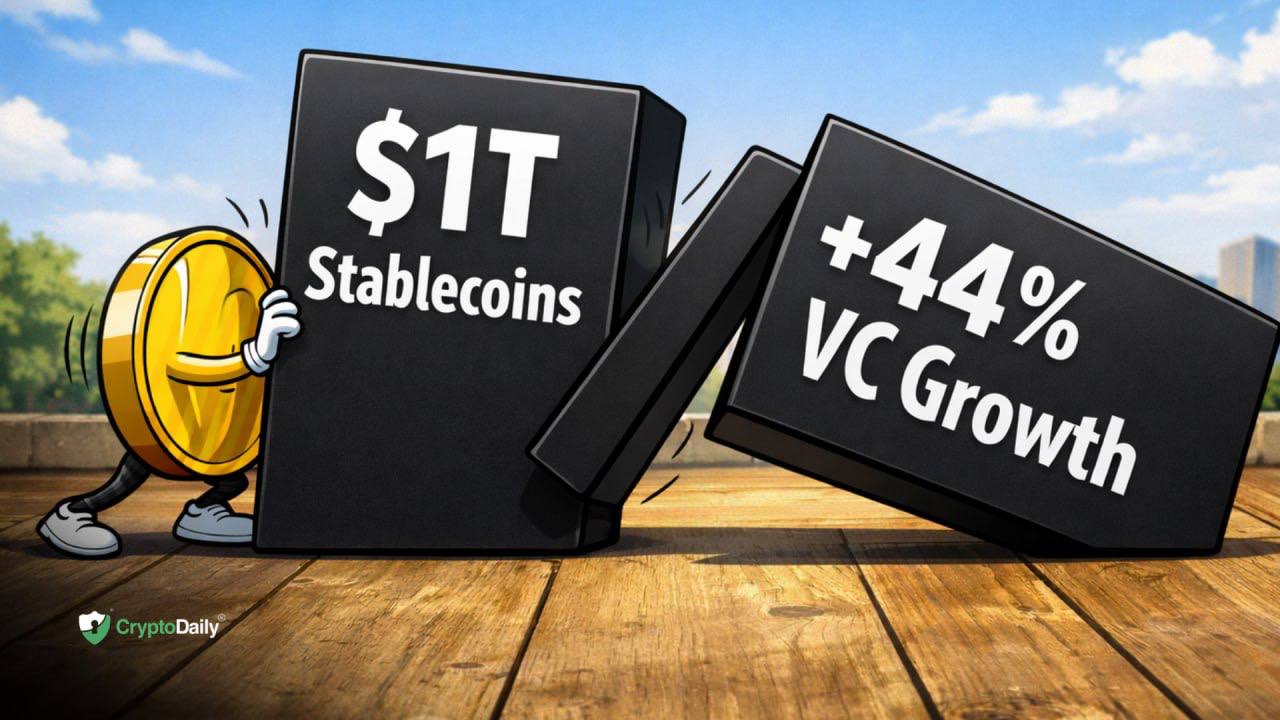
This structural change is evident in the growing volume of stablecoin issuance and transfer activity on these native chains. As noted by industry analysts, stablecoins are transitioning from a parallel financial system to a practical funding rail that enhances existing payment infrastructure. This transition is supported by venture capital growth and increasing institutional adoption, signaling a maturation of the stablecoin market beyond speculative trading.
The following table compares the primary characteristics of these emerging dollar-native chains, highlighting their native stablecoin support and intended use cases.
| Chain | Native Stablecoin | Primary Use Case |
|---|---|---|
| Plasma | USDC | High-speed institutional payments |
| Stable | USDT | Retail remittances |
| Tempo | USDC | DeFi lending markets |
| Codex | USDT | Cross-border trade finance |
Liquidity flows are increasingly concentrated on these specialized networks, reducing congestion on Ethereum L2s. For USDC, chains like Plasma offer regulatory clarity and integration with traditional banking rails. For USDT, networks like Stable prioritize speed and low fees for global remittance corridors. This bifurcation allows issuers to tailor their infrastructure to specific regulatory and operational requirements, rather than relying on a one-size-fits-all Ethereum-based solution.
Stablecoin regulatory compliance 2026
The passage of the GENIUS Act in the United States has established a definitive regulatory framework for stablecoins, forcing native chains to adopt stricter compliance models than legacy bridging solutions. This legislation mandates that issuers maintain full reserve backing and submit to regular audits, effectively separating compliant on-chain assets from those relying on opaque cross-chain transfers. As a result, liquidity flows are increasingly concentrated on chains that can natively support these verification standards, reducing the utility of legacy bridges that cannot guarantee reserve transparency.
USDC and USDT are responding to these divergent pressures with distinct compliance strategies. Circle has aligned its USDC issuance with the new federal standards, integrating on-chain proof-of-reserve mechanisms that allow regulators to verify backing in real time. This approach has strengthened USDC’s position in institutional markets where auditability is a prerequisite for deployment. Tether, operating under different jurisdictional pressures, continues to rely on its established reserve composition disclosures, though it faces increasing scrutiny from U.S. regulators regarding the transparency of its non-dollar assets. This divergence is reshaping the liquidity map, as institutional capital migrates toward assets with clearer regulatory standing.
Global frameworks are following the U.S. lead, with the European Union’s MiCA regulation and other jurisdictions imposing similar reserve and governance requirements. Native chains that offer built-in compliance tools—such as identity verification and transaction monitoring—are becoming the preferred infrastructure for regulated stablecoin activity. Legacy bridges, which often bypass these controls, are seeing reduced volume as issuers prioritize channels that ensure regulatory adherence. This shift underscores a broader trend: compliance is no longer an optional feature but a foundational requirement for stablecoin liquidity in 2026.
Choosing the right native stablecoin
Selecting between USDC and USDT requires aligning the asset with specific regulatory and operational constraints. USDC is the preferred instrument for entities subject to strict compliance frameworks, such as those under the EU’s MiCA or US state money transmitter laws, due to its transparent reserve reporting and US-based issuance. For high-frequency trading or cross-border settlements where speed is paramount and regulatory friction is lower, USDT offers deeper liquidity on many Layer 2 networks and emerging blockchains.
The following comparison outlines the primary differentiators for decision-makers.
| Feature | USDC | USDT |
|---|---|---|
| Regulatory Clarity | High (US-based, monthly attestations) | Moderate (Offshore, evolving compliance) |
| Primary Use Case | Institutional payments, DeFi collateral | Retail trading, high-volume transfers |
| Liquidity Depth | Strong in US markets and major DEXs | Dominant in CEXs and emerging chains |
For developers integrating payments, USDC’s standardized compliance features reduce legal overhead. Conversely, traders seeking minimal slippage on volatile pairs often find USDT’s superior market depth more efficient. The decision ultimately rests on whether the priority is regulatory certainty or transactional velocity.
Frequently Asked Questions on Chain-Native Stablecoins
Are chain-native stablecoins safer than bridged versions? Chain-native issuance generally reduces counterparty risk by eliminating the bridge layer, which is a common vector for exploits. USDC and USDT on their native chains (e.g., Solana, Ethereum) rely on direct on-chain smart contracts rather than wrapped representations that depend on custodial bridges.
What is the regulatory status of USDC and USDT in 2026? Regulatory frameworks are evolving, with the US Treasury and SEC scrutinizing reserve transparency. USDC operates under stricter compliance standards due to Circle’s US-based regulatory oversight, while USDT, issued by Tether, faces ongoing international regulatory scrutiny regarding its reserve composition and audit practices.
How do liquidity flows differ between USDC and USDT? USDT maintains higher overall market capitalization and trading volume, particularly in emerging markets and decentralized finance (DeFi) protocols. USDC often exhibits deeper liquidity in regulated institutional venues and on-chain applications prioritizing compliance and KYC integration.
Is there a price difference between native and bridged stablecoins? Native stablecoins typically trade closer to their $1.00 peg due to lower friction and reduced bridge risk. Bridged versions may experience slight deviations or premium/discount spreads during periods of network congestion or bridge security concerns.
No comments yet. Be the first to share your thoughts!