Why native chains matter now
The stablecoin market is undergoing a structural shift. We are moving past the era of treating digital dollars as generic assets floating on general-purpose networks like Ethereum. In 2026, stablecoins are becoming the native economic layer of specialized blockchains. This transition from tokenization to native integration is not just a technical upgrade; it is a fundamental change in how value settles and moves.
Historically, the industry focused on tokenizing existing off-chain assets. This approach carried significant friction. Loan servicing, compliance checks, and liquidity management remained tethered to legacy infrastructure. As noted in recent market analysis, debt assets should be originated on-chain rather than off-chain. This shift eliminates the need to bridge traditional finance systems with blockchain wrappers, reducing servicing costs and settlement latency.
The result is a new wave of dollar-native blockchains. Platforms such as Plasma, Tempo, Codex, Stable, Converge, and Monad are built specifically to handle stablecoin flows. These chains do not try to be everything to everyone. Instead, they optimize for the specific requirements of digital dollar settlements: speed, low cost, and regulatory clarity. For institutional players, this means stablecoins are no longer just a speculative vehicle or a payment method; they are the foundational settlement layer for digital finance.
This native approach allows financial institutions to bypass the inefficiencies of legacy banking rails. By embedding stablecoins directly into the blockchain’s core logic, developers can create financial products that settle in seconds, not days. The market is no longer asking which chain is best for stablecoins; it is asking which native chain best serves specific financial intents. The answer depends on whether the priority is high-frequency trading, cross-border payments, or institutional lending.
Comparing the new dollar-native L1s
The 2026 stablecoin landscape is no longer a monolith. Four primary chains—Plasma, Stable, Tempo, and Codex—have emerged as dedicated settlement layers for dollar-native assets. Each architecture solves a different friction point in the payment stack, from gas fee abstraction to institutional compliance.
Plasma operates as a feeless environment where the native asset is USDC. By eliminating gas fees for end-users, it targets high-frequency consumer payments and remittances. Stable, conversely, is built for institutional custody, using its own governance token for security and offering strict on-chain compliance hooks. Tempo focuses on speed, prioritizing sub-second finality for merchant processing, while Codex emphasizes cross-chain interoperability, allowing stablecoins to move freely between existing L1s without wrapping.
The following table outlines the core architectural differences between these four chains.
| Chain | Native Asset | Gas Model | Primary Use Case |
|---|---|---|---|
| Plasma | USDC | Feeless (subsidized) | Consumer payments & remittances |
| Stable | STBL | Standard (paid in STBL) | Institutional custody & compliance |
| Tempo | TEMPO | Standard (paid in TEMPO) | High-speed merchant settlement |
| Codex | CODEX | Standard (paid in CODEX) | Cross-chain interoperability |
Settlement speed and cost advantages
Chain-native stablecoins operate on high-throughput blockchains and Layer 2 networks, enabling transactions to clear in seconds for fractions of a cent. This efficiency marks a departure from traditional rails, which often require days for settlement and charge significant fees for cross-border movement.
The economic benefit is immediate. When stablecoins run on optimized chains, the cost structure shifts from a percentage-based model to a flat, minimal fee. This makes micro-transactions and high-frequency corporate settlements viable, whereas legacy systems struggle with profitability at these scales.
This speed and cost advantage positions stablecoins as a practical funding rail that enhances existing payment infrastructure. Rather than replacing traditional finance entirely, they offer a parallel layer for instant liquidity, reducing the friction that has long plagued global commerce.
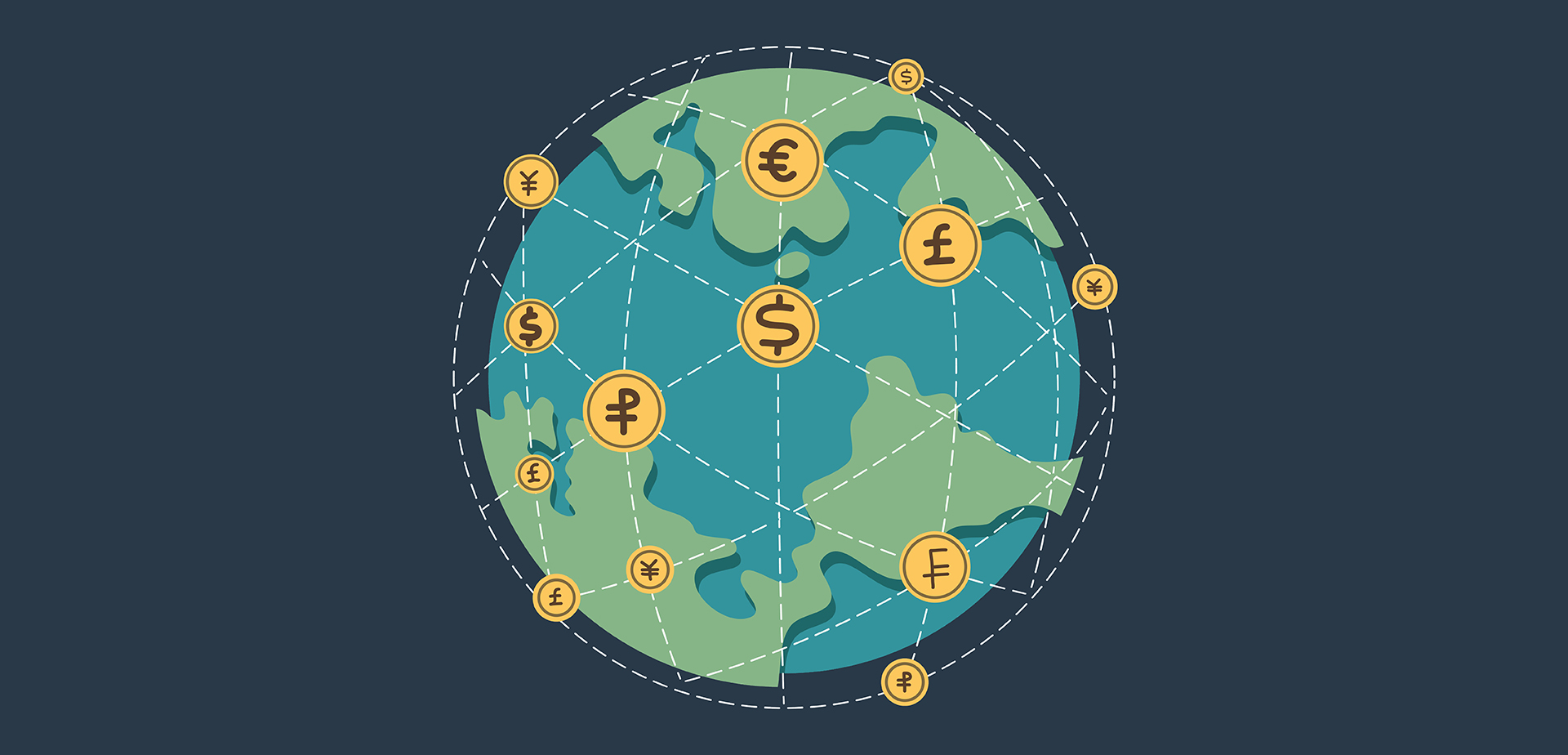
To visualize the stability required for such high-volume settlement, consider the price action of the dominant market leader. A peg that holds firm during peak usage confirms the reliability of the underlying settlement layer.
Regulatory clarity and compliance rails
By 2026, the regulatory environment for stablecoins has shifted from ambiguity to structured oversight. Governments in Hong Kong, Europe, and the United States have introduced specific frameworks that treat stablecoins not as experimental tokens, but as regulated financial instruments. This clarity has forced issuers to move beyond simple promises of reserves toward verifiable, on-chain compliance.
The most significant development is the integration of compliance directly into the protocol layer. Instead of relying on external audits that lag behind transactions, native chains now embed regulatory checks into the smart contract logic. This approach ensures that only compliant assets can settle transactions, reducing the risk of regulatory arbitrage and enhancing trust for institutional participants.
This shift has accelerated the adoption of tokenized cash on public blockchains. As noted by industry analysts, the combination of clearer regulation and technological maturation is bridging the gap between traditional finance and decentralized systems. The result is a settlement layer that is both efficient and legally robust, paving the way for broader mainstream adoption.
Choosing the right chain for liquidity
Selecting a blockchain for stablecoin issuance requires matching technical constraints to specific settlement needs. There is no universal standard; the optimal chain depends on whether the priority is regulatory compliance, transaction throughput, or DeFi interoperability.
Institutions operating under strict compliance frameworks should prioritize chains with established legal clarity and native regulatory tools. Ethereum and its Layer 2 networks, such as Base and Arbitrum, offer mature compliance infrastructure and deep institutional liquidity, making them suitable for regulated financial products.
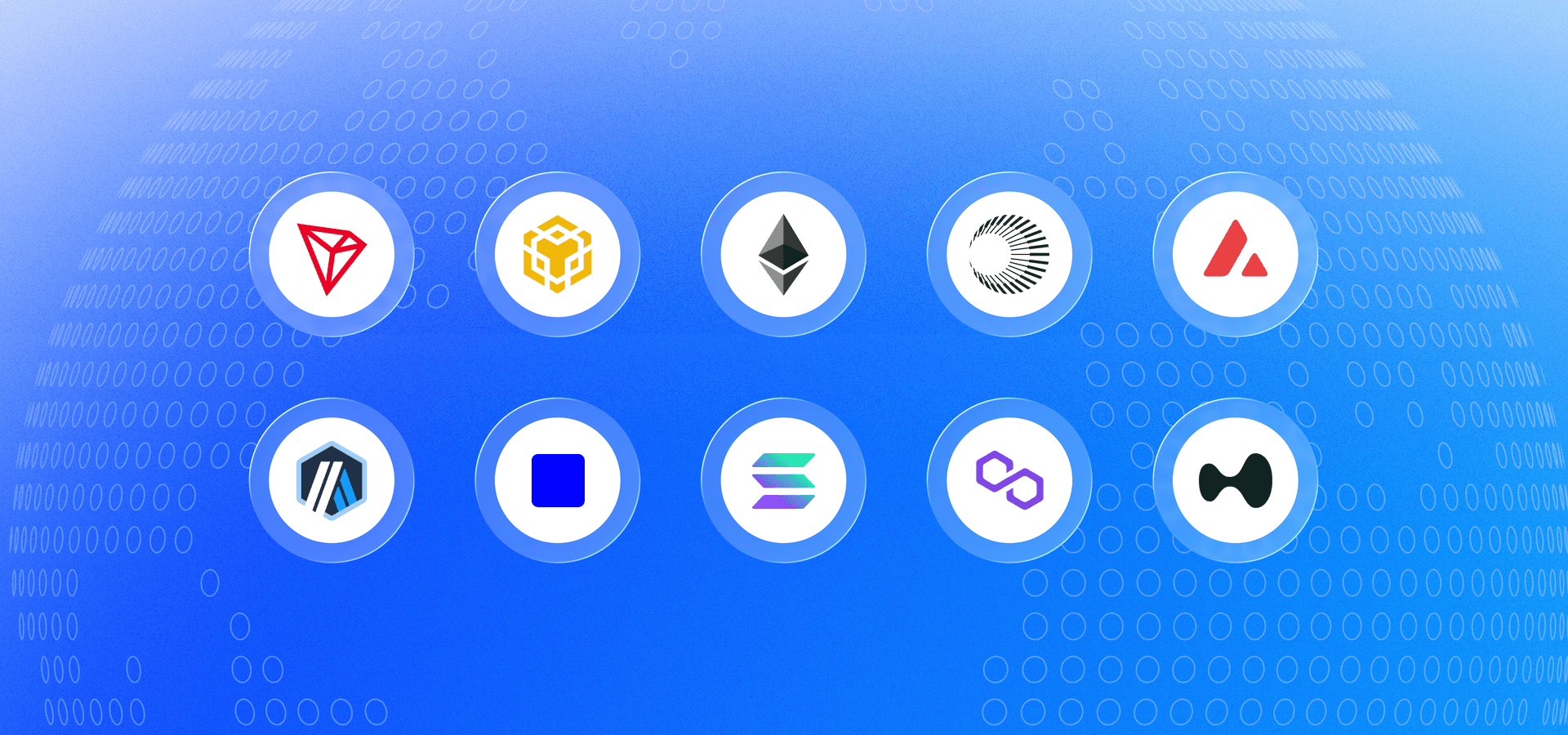
High-frequency settlement requires chains optimized for throughput. Solana provides high-speed finality ideal for consumer payments, while Tron remains the dominant chain for emerging market transfers due to its low fees and extensive user base. For enterprise-grade volume, Plasma offers feeless transactions while maintaining regulatory compliance.
If the stablecoin must integrate with decentralized finance protocols, liquidity depth is critical. BNB Chain offers deep exchange liquidity and robust DeFi ecosystems, while Ethereum Layer 2s provide access to the largest total value locked (TVL) pools. Ensure the target chain supports the specific smart contract standards required by your liquidity providers.
| Chain | Primary Strength | Best For |
|---|---|---|
| Ethereum L2s | Compliance & Liquidity | Institutional products |
| Solana | Speed & Cost | High-frequency payments |
| Tron | Emerging Market Reach | Cross-border remittances |
| BNB Chain | Exchange Liquidity | DeFi integration |
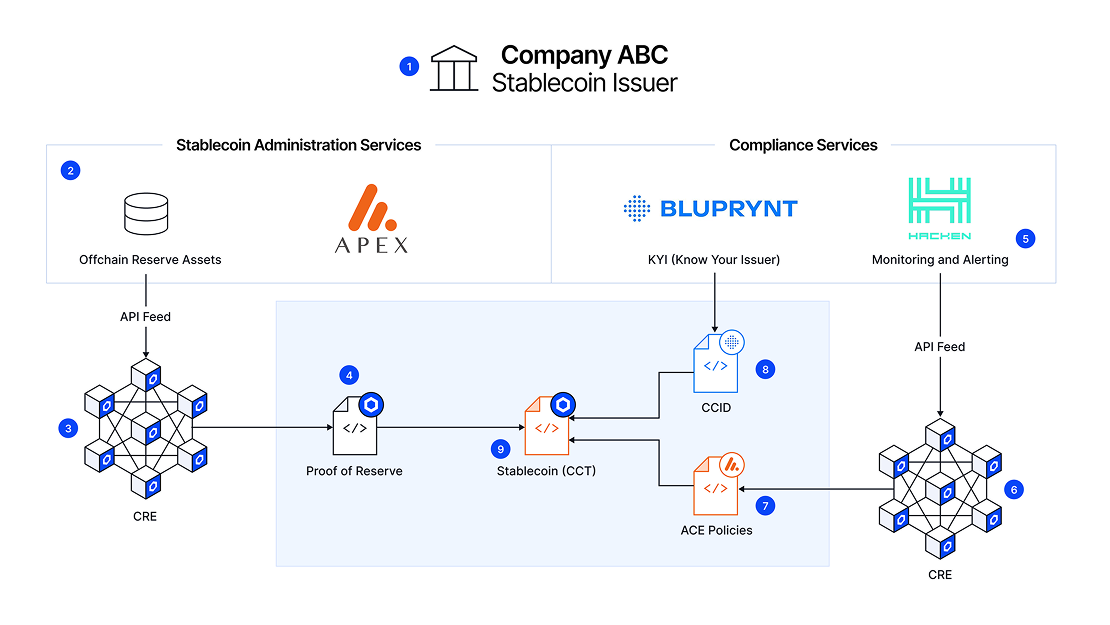
The decision ultimately hinges on aligning the chain’s technical architecture with your operational goals. Reviewing the current stablecoin issuance infrastructure map can help identify which networks are best positioned to support your specific liquidity requirements in 2026.
No comments yet. Be the first to share your thoughts!