
Native issuance versus wrapped assets
The structural difference between chain-native stablecoins and wrapped assets defines the counterparty risk profile of any DeFi position. Chain-native stablecoins are issued directly on the target blockchain by the protocol itself. Wrapped assets are representations of tokens originally issued on a different chain, relying on bridges and custodians to maintain the peg.
Wrapped stablecoins, such as bridged USDC or USDT, introduce a layer of complexity that native tokens avoid. To move value across chains, wrapped assets depend on bridge protocols and centralized custodians. These intermediaries hold the underlying reserves on the source chain while minting equivalent tokens on the destination chain. This structure creates multiple points of failure. If a bridge is exploited or a custodian faces regulatory action, the wrapped token can decouple from its peg.
Chain-native issuance eliminates this bridge dependency. When a protocol issues a stablecoin directly on a new chain, it mints tokens using the chain's native assets or direct fiat reserves. There is no intermediary holding the collateral. The token exists solely on that chain, governed by the protocol's smart contracts. This reduces the attack surface and removes the risk of bridge-specific exploits, which have historically been the most lucrative targets for hackers in the DeFi ecosystem.
The choice between native and wrapped assets affects liquidity efficiency and security. Native stablecoins settle instantly within the chain's native environment, avoiding the latency and fees associated with cross-chain transfers. For long-term DeFi liquidity strategies, native issuance provides a more robust foundation by minimizing external dependencies.
Technical Chart
Liquidity Depth and Capital Efficiency
Native stablecoins eliminate the friction introduced by cross-chain bridges. When a stablecoin exists natively on a blockchain, it removes the need for wrapping, locking, or bridging assets from another network. This structural simplicity directly translates to deeper liquidity pools and tighter spreads for traders and protocols.
Cross-chain transfers, while common, introduce latency and slippage. A cross-chain stablecoin transfer requires moving assets between different blockchain networks, often relying on intermediaries or smart contract bridges that can become bottlenecks during high-volume periods. These layers add risk and cost, fragmenting liquidity across multiple chains. Native issuance consolidates this liquidity, allowing capital to flow freely without the drag of bridge fees or waiting times.
The result is a more efficient market. Protocols leveraging native stablecoins, such as multichain USDC, benefit from a unified pool of liquidity that is both larger and more responsive. This depth reduces the impact of large trades, ensuring that price stability is maintained even during volatile market conditions.
| Metric | Native Stablecoin | Wrapped/Bridged Stablecoin |
|---|---|---|
| Settlement Speed | Instant | |
| Settlement Speed | Minutes to Hours | |
| Bridge Risk | None | |
| Bridge Risk | Smart Contract & Counterparty | |
| Liquidity Depth | Consolidated | |
| Liquidity Depth | Fragmented |
By removing the bridge layer, native stablecoins allow capital to work harder. There is no need to lock funds in a bridge contract or wait for confirmation across multiple chains. This efficiency is critical for DeFi protocols that rely on real-time liquidity for lending, borrowing, and trading. As the industry matures, the preference for native assets will likely deepen, further concentrating liquidity where it is most accessible and secure.
Cross-chain transfer mechanisms
Use this section to make the Chain-Native Stablecoins decision easier to compare in real life, not just on paper. Start with the reader's actual constraint, then separate must-have requirements from details that are merely nice to have. A practical choice should survive normal use, maintenance, timing, and budget. If a recommendation only works in an ideal situation, call that out plainly and give the reader a fallback path.
The simplest way to use this section is to write down the must-have criteria first, then compare each option against those criteria before weighing nice-to-have features.
Regulatory compliance and custody
The regulatory environment for digital assets is tightening, making compliance a non-negotiable layer of infrastructure rather than an afterthought. For chain-native stablecoins, the primary keyword focus is on how native issuance models align with KYC/AML requirements and reserve transparency. This alignment is critical for institutional adoption and long-term viability in the 2026 DeFi landscape.
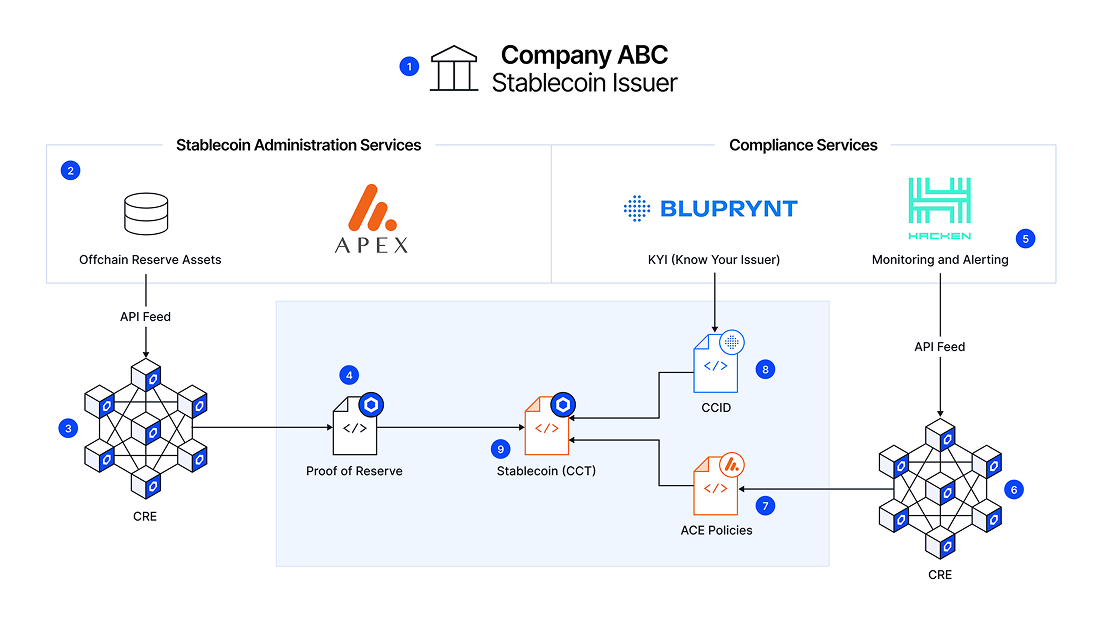
Native issuance allows issuers to embed compliance directly into the token standard. This means KYC/AML checks can be enforced at the minting and redemption levels, ensuring that only verified participants can hold or transfer certain assets. This approach reduces the risk of illicit flows and provides regulators with a clear audit trail from the traditional banking system to the blockchain.
Reserve transparency is equally important. Issuers like Circle, which backs USDC with cash and short-dated U.S. Treasuries, demonstrate how multichain deployment can coexist with strict regulatory oversight. By providing real-time attestation of reserves, these projects build trust with both users and regulators. The ability to move value across chains without compromising on compliance is a key advantage for enterprises seeking to integrate stablecoins into payments and wallets.
Risks in Native Stablecoin Adoption
Chain-native stablecoins promise frictionless liquidity by embedding settlement assets directly into network protocols. Yet this design introduces specific failure points that can destabilize yields or halt transactions. The primary risks cluster around smart contract vulnerabilities, oracle dependency, and regulatory fragmentation.
Smart Contract Vulnerabilities
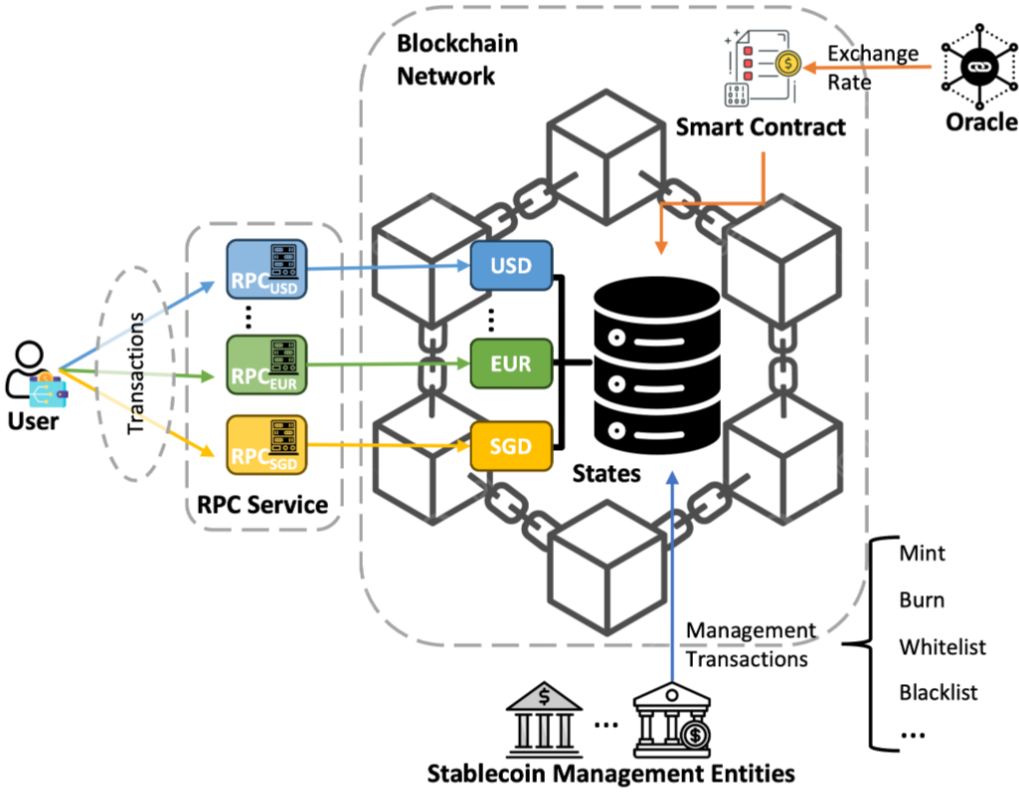
When stablecoins function as the native gas token, a bug in the core contract doesn't just affect a single dApp; it can freeze the entire network’s ability to process transactions. Unlike external tokens, native assets require deeper integration with the consensus layer. A single exploit in the fee-estimation logic or the minting mechanism can drain liquidity pools instantly. Audits are standard, but complex integrations between the EVM and the stablecoin contract often reveal edge cases only under heavy load.
Oracle Failures
Chain-native models often rely on oracles to peg the native token’s value to fiat for fee calculations or collateralization ratios. If an oracle feed lags or is manipulated during high volatility, the system may miscalculate gas fees or liquidate positions incorrectly. This creates a feedback loop where incorrect pricing drives users away, reducing liquidity and further destabilizing the peg. Reliance on centralized oracle providers reintroduces the very centralization risks that decentralized finance aims to eliminate.
Regulatory Fragmentation
Regulators are increasingly scrutinizing stablecoins that operate across borders. If a chain-native stablecoin is deemed a security or a money transmitter in one jurisdiction but not another, issuers may face conflicting compliance requirements. This fragmentation can lead to sudden liquidity withdrawals as institutions exit markets with unclear legal standing. The lack of a unified global framework means liquidity can evaporate overnight if a major economy imposes restrictive rules on on-chain fiat-pegged assets.
Checklist for evaluating native stablecoin protocols
Before integrating a chain-native stablecoin, verify the underlying infrastructure. Unlike wrapped assets that rely on cross-chain bridges, native stablecoins are issued directly on the target blockchain. This distinction fundamentally alters the risk profile, removing bridge hack exposure but introducing chain-specific smart contract and liquidity risks. Use this framework to assess viability.

Confirm the stablecoin is minted natively on the target chain, not bridged. Check the contract source code and verify the issuer’s authority. Native issuance ensures the asset is integral to the chain’s monetary layer, reducing reliance on external liquidity providers or bridge validators.

Demand proof of 1:1 backing by real-world assets. Review the most recent attestation or audit report from a reputable firm. For chain-native models, ensure the reserve mechanism is transparent and that the issuer publishes regular, verifiable data on holdings. Lack of clear reserve proof is an immediate disqualifier.
Ensure there is sufficient liquidity to redeem the stablecoin for fiat or base currency without significant slippage. Test the redemption process directly. A protocol with deep liquidity on its native chain can maintain its peg more effectively during market stress than those relying on thin cross-chain markets.

Identify the legal entity issuing the stablecoin and its jurisdiction. Prefer protocols that operate with clear regulatory licenses or are subject to recognized financial oversight. Compliance reduces the risk of sudden delisting or operational shutdowns by government authorities.
Frequently asked: what to check next
How do native stablecoins differ from wrapped ones regarding risk?
Native stablecoins are issued directly on the blockchain, eliminating bridge counterparty risk. Wrapped stablecoins rely on external bridges and custodians, introducing potential points of failure if those intermediaries are compromised.
What are the main risks of chain-native stablecoins?
Key risks include smart contract vulnerabilities specific to the chain's integration, oracle failures that misprice the asset during volatility, and regulatory fragmentation that may restrict usage in certain jurisdictions.
Why is reserve transparency critical for native stablecoins?
Transparency ensures that the native token is fully backed by real-world assets, maintaining the peg and building trust with institutional users and regulators who require audit trails for compliance.
Which stablecoins are currently leading in native issuance?
USDC and USDT are the dominant stablecoins, with USDC increasingly adopting native issuance models on high-throughput chains like Solana and Tron to reduce costs and latency.
No comments yet. Be the first to share your thoughts!