
StableChain USDT-Native L1 Mainnet: Guide to Chain-Native Stablecoin Payments on Optimism Rivals

In the ever-crowded arena of blockchain payments, StableChain burst onto the scene as a bold Layer 1 challenger, flipping the script on how we handle chain-native stablecoins L1 style. Launched on December 8,2025, by Tether and Bitfinex, this USDT-native network ditches volatile gas tokens for Tether’s own stablecoin, promising predictable fees and sub-second finality tailored for global stablecoin payments. But as it eyes rivals like Optimism, Arbitrum, and Base, questions linger: can this USDT native L1 truly outpace the L2 pack in the race for everyday DeFi traction?


StableChain’s core appeal lies in its laser-focus on frictionless transactions. Imagine sending USDT without the headache of fluctuating ETH or ARB fees; instead, every operation runs on USDT itself. EVM-compatible from the jump, it welcomes devs building dApps for payments, remittances, and fintech bridges. Sources like Tenderly highlight its enterprise-ready setup, while IOSG notes how it tackles unpredictable fees plaguing other chains via innovations like EIP-7702 for gas abstraction. For liquidity providers like us, this means tighter spreads and less slippage in high-volume trades.
StableChain’s Architecture: Built for Stablecoin Supremacy
What sets StableChain apart in the stablecoin payments Layer 1 game? Its design prioritizes stability above all. Powered by USDT as the native gas token, it sidesteps the volatility traps of traditional L1s. Finality hits in under a second, crushing Ethereum’s 13-minute slog, per PayRam insights. The Stable Foundation, unveiled alongside mainnet, governs growth with the STABLE token – a fixed 100 billion supply governance asset. Co-developed by Bitfinex and Tether, it’s positioned as USDT’s primary home, per HTX Research.
Developers get a playground with familiar EVM tools, but optimized for dollar-denominated ops. Binance’s overview of stablecoin chains praises it for slashing user friction, making it a go-to for on-ramps and cross-border flows. Yet, balance demands we note the risks: centralization whispers around Tether’s influence could spook purists chasing full decentralization.
Mainnet Launch: High Hopes Meet Real-World Bumps
The fanfare was real when StableChain mainnet went live. PR Newswire touted seamless financial transactions, and The Block covered the STABLE token drop amid hype. Initial buzz drew builders eyeing USDT’s dominance – over 70% of chain stables still flow through Tether variants. But reality bit hard: redemption failures and gas shortages sparked chaos, tanking STABLE’s price post-launch.

Learn more: https://t.co/HpBH4GawsN
These teething pains underscore a key truth in crypto: launches are marathons, not sprints. Tatum. io’s 2025 stablecoin review points to L2s like Arbitrum ($10B TVL) and Base ($4.6B) gaining fintech ground with cheap fees and EVM ease. StableChain counters with native USDT liquidity, but early hiccups remind us to watch sequencer uptime and oracle feeds closely. Still, for traders, the predictable cost model shines in volatile markets.
StableChain vs L2 Rivals: Fees, Speed, and Scale Showdown
Pitting StableChain vs Arbitrum stables and Optimism peers reveals a nuanced battle. L2s offer ‘soft’ finality in seconds atop Ethereum security, per PayRam, fueling adoption in payments and tokenization. L2BEAT’s December 2025 update eyes Arbitrum deepening institutional rails into 2026. Base and Optimism leverage Superchain synergies, boosted by Tether’s own USDT0 for omnichain hops.
StableChain flips this with L1 sovereignty: no rollup delays, direct USDT settlements. TransFi notes L2s scaling dollars via faster txns, but Stable’s gas model could undercut their edge for pure stablecoin volume. Check out this deep dive on its payment innovations. My take? L2s win on composability today, but StableChain’s USDT purity positions it for enterprise wins if it irons out kinks. Fundamentals favor chains matching user habits – here, dollar-first ops rule.
Let’s break down the numbers side-by-side to see where StableChain stacks up against its Optimism-adjacent rivals. Arbitrum leads with massive TVL from stablecoin pools, but its ARB gas introduces variability that USDT-native chains avoid. Base thrives on low costs for retail flows, while Optimism’s Superchain pushes cross-L2 liquidity – think USDT0 bridging seamlessly. StableChain, though nascent, bets on L1 purity for high-throughput payments without inheritance risks.
StableChain vs. Arbitrum, Optimism, Base: Key Comparison
| Chain | Fees | Finality | TVL | Gas Token | Use Case Strength |
|---|---|---|---|---|---|
| StableChain | USDT fixed (predictable) ✅ | Sub-second ⚡ | Emerging (launched Dec 2025) | USDT | Enterprise payments 💼 |
| Arbitrum | Variable | Soft seconds | ~$10B | ETH/ARB | DeFi composability 🔗 |
| Optimism | Variable | Soft seconds | High (L2 leader) | ETH/OP | DeFi composability 🔗 |
| Base | Variable | Soft seconds | ~$4.6B | ETH | DeFi composability 🔗 |
Early data shows StableChain’s fees hovering predictably low, ideal for remittances where margins matter. TransFi’s take on L2 scaling dollars rings true, yet Stable’s design echoes IOSG’s praise for fixing UX pain points like gas guessing. For liquidity providers optimizing L2s, this L1 contender adds a stable anchor – pair it with Arbitrum bridges for hybrid strategies blending speed and sovereignty.
Hands-On: Sending Stablecoin Payments on StableChain
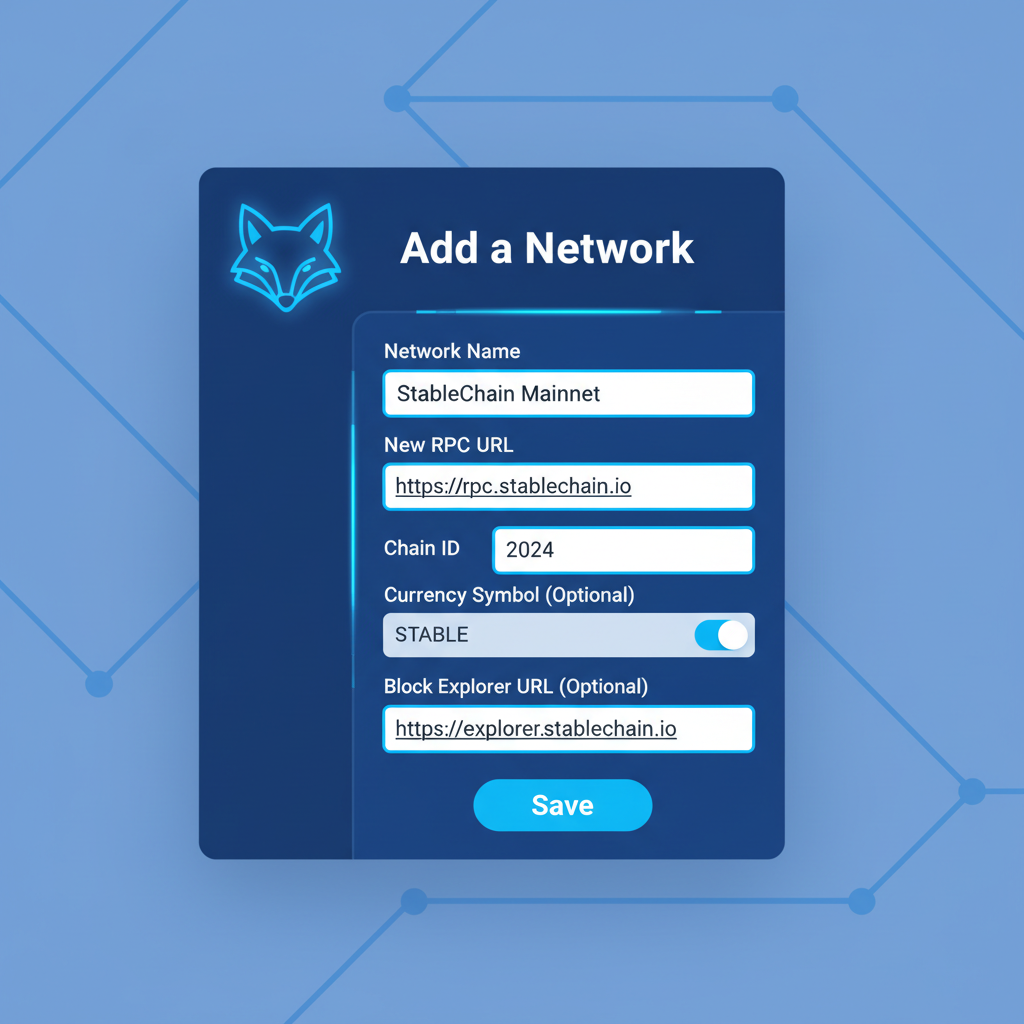
Ready to test the waters? StableChain shines in practice for stablecoin payments Layer 1 ops, especially cross-border sends rivaling fintech rails. No need for wrapped assets or multi-step swaps; USDT is king here. Wallets like MetaMask connect effortlessly via RPC endpoints, and exchanges like Bitfinex offer direct deposits. But post-launch gas squeezes highlighted the need for robust tooling – check liquidity before big moves.
Make Your First USDT Payment on StableChain Mainnet: 5 Easy Steps
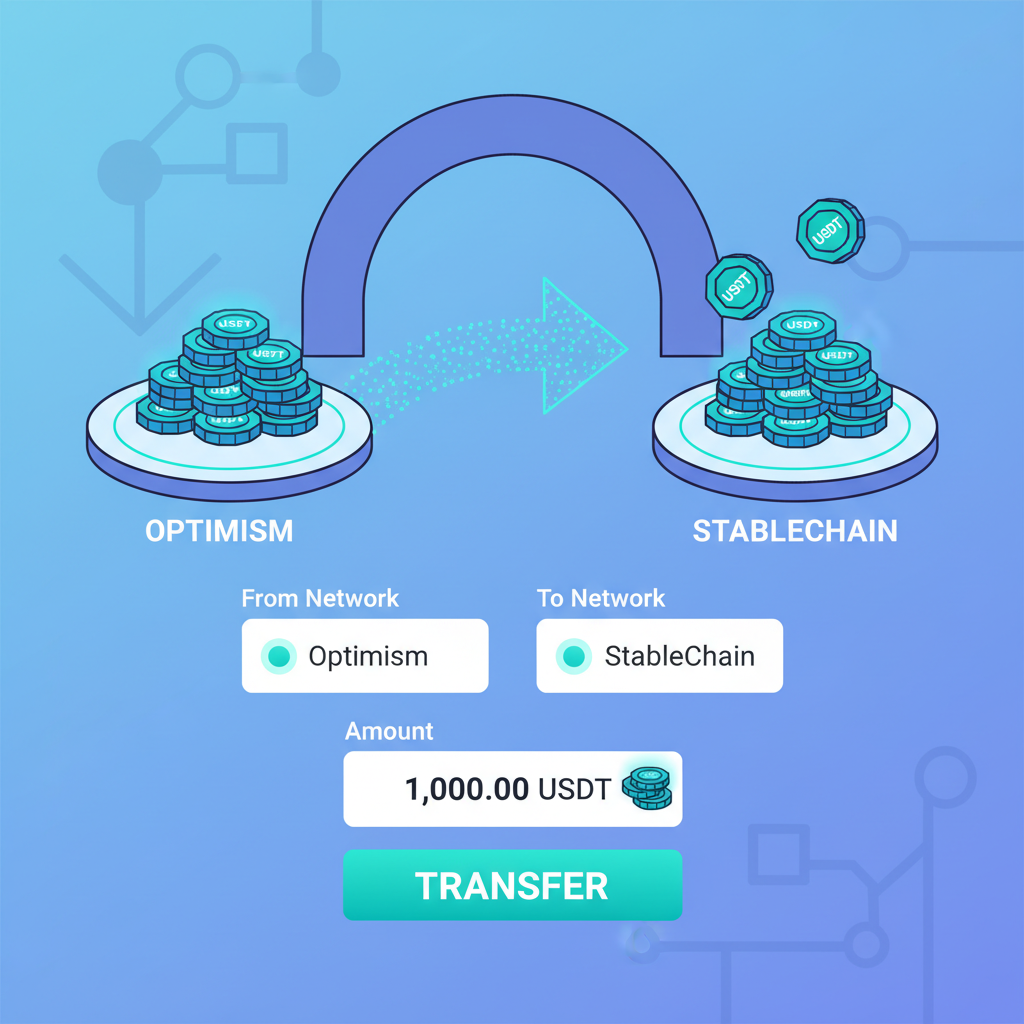
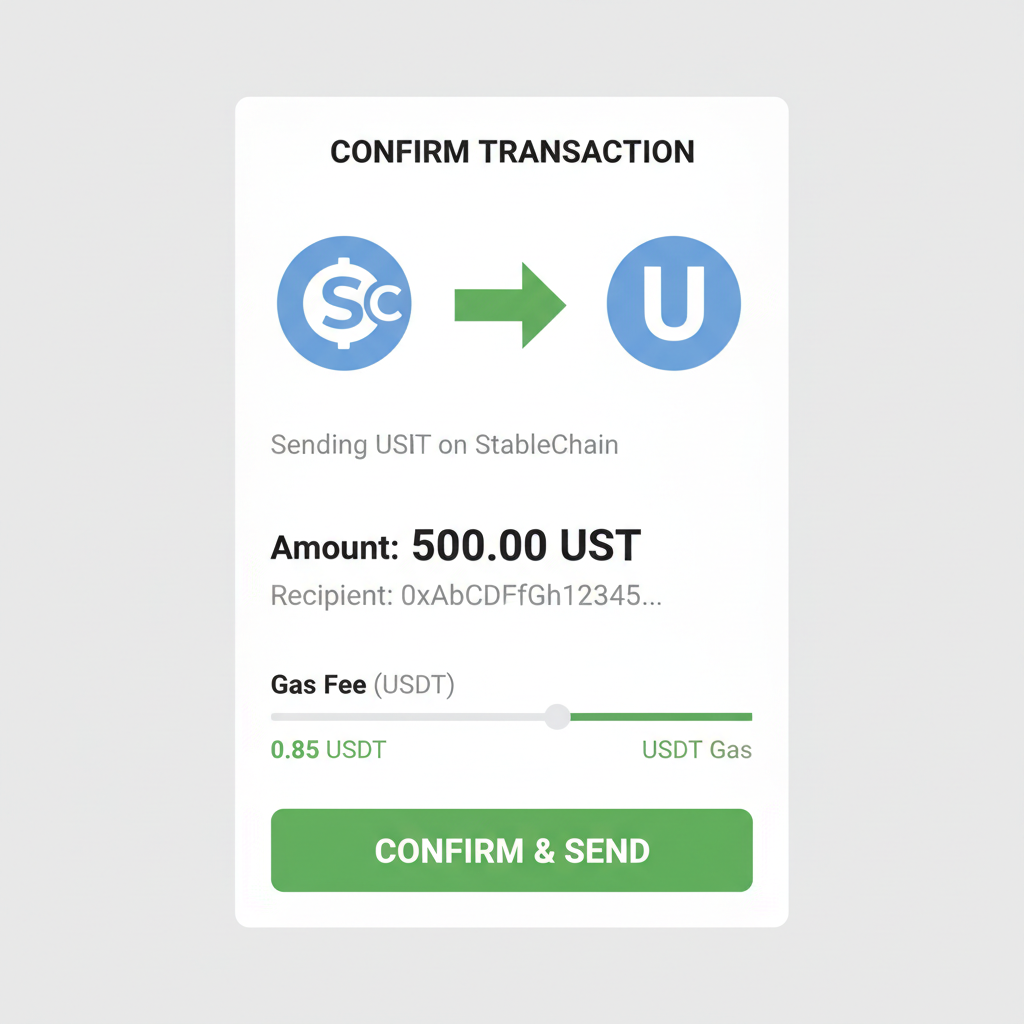
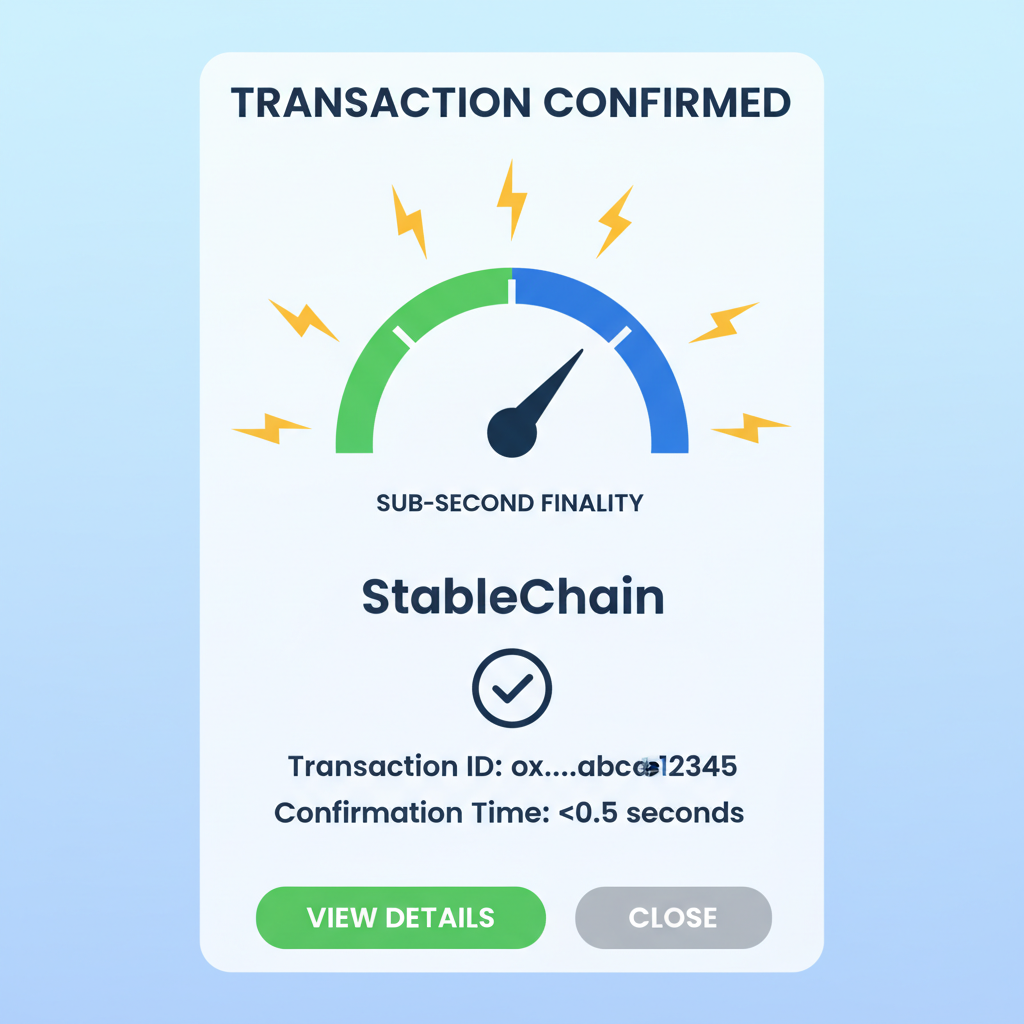
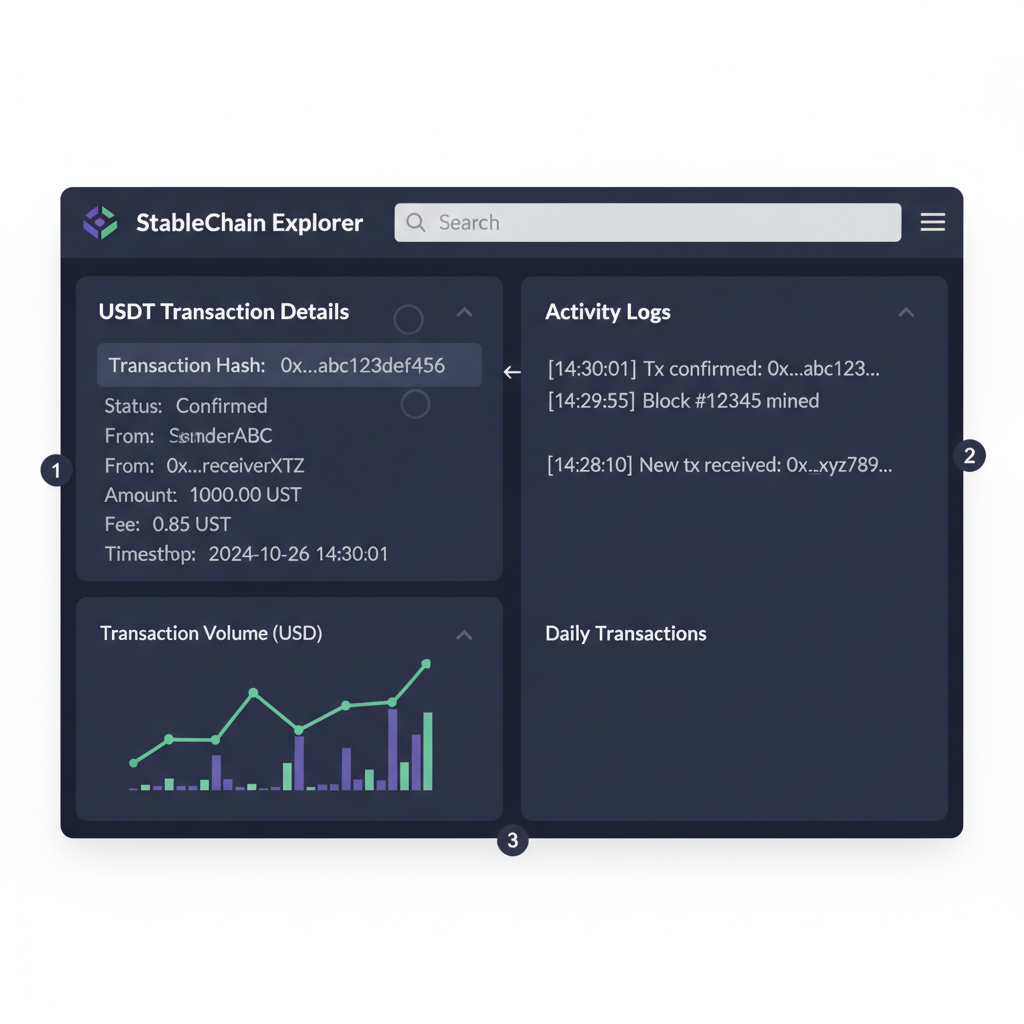
That workflow cuts out L2 exit queues, a boon for time-sensitive trades. Pair it with USDT0 on Optimism for Superchain hops, and you’ve got a resilient setup. My hedge fund days taught me: always layer in redundancies, like fallback to Base for overflow volume. Developers, dive into EIP-7702 docs for gasless user experiences that could lure fintechs en masse.
Challenges persist, no doubt. Redemption glitches at launch eroded trust, echoing Tether’s past scrutiny. STABLE token volatility post-debut underscores governance risks in a Tether-dominated ecosystem. L2BEAT’s 2026 outlook favors Arbitrum’s institutional push, where proven security trumps novelty. Yet StableChain’s USDT native L1 edge – fixed fees in a dollar world – positions it uniquely for global adoption, per HTX’s new stablecoin order.
Outlook: Where Chain-Native Stables Head Next
Looking ahead, StableChain could redefine chain-native stablecoins L1 by anchoring USDT liquidity outside Ethereum’s orbit. Imagine enterprise treasuries routing billions in payments without FX hedges or wire delays. Competition heats up: Plasma and other dedicated chains vie for scraps, but Stable’s Bitfinex backing gives it muscle. For DeFi traders on Optimism or Arbitrum, experiment with StableChain vs Arbitrum stables arbitrage – low-risk spreads await as TVL grows.
Read more on its on-off ramp potential at this analysis. Balanced view: L2s hold the composability crown today, but StableChain’s payments-first ethos fills a gap for dollar-denominated scale. As we blend fundamentals with on-chain charts, watch for sequencer upgrades and STABLE staking incentives to signal maturity. In a world chasing efficient rails, this USDT-powered L1 might just claim the throne for everyday stable flows.